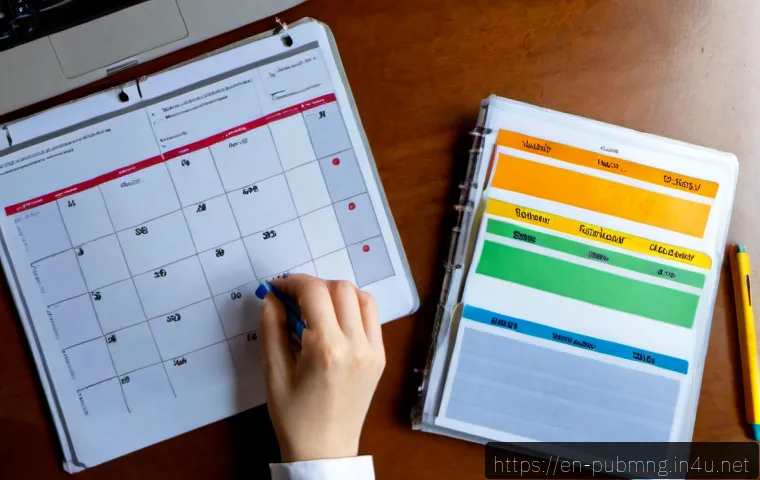
Preparing for the Public Administration exam can feel overwhelming without the right guidance. Choosing the best courses tailored to your learning style and exam requirements makes a significant difference.
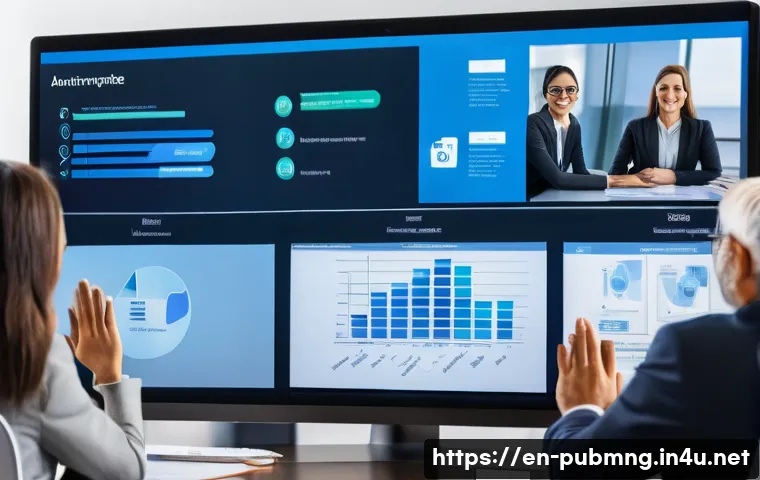
With so many options available online and offline, finding a course that balances depth, clarity, and practical insights is key. From interactive lectures to comprehensive study materials, the right program can boost your confidence and efficiency.
Let’s explore how you can identify the top recommended courses and what makes them stand out. Stay with me as we dive into the details below!
Understanding Your Learning Style for Effective Exam Preparation
Identifying Whether You’re a Visual, Auditory, or Kinesthetic Learner
Choosing the right course starts with knowing how you learn best. Some people absorb information more effectively through watching videos or charts—these are visual learners.
Others retain knowledge by listening to lectures or discussions, making them auditory learners. Then there are kinesthetic learners who grasp concepts through hands-on activities or real-life practice.
If you’re a visual learner, courses with detailed infographics, animations, or recorded lectures might suit you best. Auditory learners should look for programs emphasizing live or recorded interactive discussions and clear verbal explanations.
Kinesthetic learners benefit from courses that incorporate case studies, simulations, or practical assignments that allow them to apply concepts directly.
Matching Course Formats to Your Study Habits
Once you’ve figured out your learning style, it’s crucial to pick a course format that fits your lifestyle and study preferences. For instance, if you thrive in structured environments, a live online class with scheduled sessions and deadlines may keep you accountable.
Alternatively, self-paced courses let you control your speed, which is perfect if you juggle work or family commitments. Some courses combine both—offering live Q&A sessions alongside recorded lectures—striking a balance between flexibility and engagement.
I’ve found that blending these approaches can drastically improve retention and motivation, especially when exam pressure builds up.
Evaluating Course Content for Relevance and Depth
A course might look appealing on the surface but could lack depth or practical insights needed for the Public Administration exam. Look for programs that cover core subjects like public policy, administrative law, ethics, and organizational theory comprehensively.
The ideal course should break down complex theories into digestible parts while relating them to real-world examples. Pay attention to whether the course provides updated materials aligned with the latest exam syllabus and includes mock tests or quizzes to track your progress.
It’s always a bonus when instructors share personal experiences or case studies, as these contextualize the content and make learning more relatable.
Balancing Interactive Learning and Self-Study Resources
The Power of Interactive Lectures and Group Discussions
Interactive lectures, where you can ask questions and participate in discussions, can make a huge difference in your exam preparation journey. Being able to clarify doubts immediately reduces confusion and deepens understanding.
Group discussions foster diverse perspectives, which is invaluable in public administration topics that often involve policy debates or ethical dilemmas.
From my experience, courses that encourage active participation not only help with knowledge retention but also build critical thinking skills essential for exam success.
Leveraging Comprehensive Study Materials for Independent Practice
Complementing interactive sessions with robust self-study materials is key. High-quality lecture notes, detailed summaries, and access to a vast question bank allow you to revise effectively at your own pace.
Some courses offer downloadable PDFs and flashcards, which are excellent for quick reviews during breaks or commutes. Personally, having a mix of digital and printable resources helped me keep up with my study schedule without feeling overwhelmed.
The best courses also provide guidance on how to structure your revision timeline, ensuring you cover all topics systematically.
Using Technology to Enhance Your Learning Experience
Many top-tier courses incorporate tech tools like mobile apps, discussion forums, and progress trackers. Mobile apps make it convenient to study anytime, anywhere, while forums connect you with fellow candidates and instructors for ongoing support.
Progress trackers offer a visual representation of your strengths and areas needing improvement, which is motivating and helps prioritize study time. Based on what I’ve seen, courses embracing technology tend to create a more engaging and adaptive learning environment, which is crucial in today’s fast-paced world.
Comparing Course Providers: What Sets the Best Apart
Reputation and Instructor Expertise
When selecting a course, the provider’s reputation and the instructors’ credentials can’t be overlooked. Established institutions or platforms with positive reviews often have rigorous quality control and updated content.
Experienced instructors who have either worked in public administration or have a strong academic background bring authority and practical insights to the table.
I always recommend checking for instructor bios and testimonials to gauge credibility before committing.
Cost Versus Value: Making Your Investment Count
Price can be a tricky factor. Expensive courses don’t always guarantee the best results, but extremely cheap options might lack essential features or support.
What really matters is the value you get: Are there sufficient practice exams? Does the course include personalized feedback? Is there ongoing access to resources after completion?
From what I’ve encountered, mid-range courses that blend quality content, interactive elements, and ample resources tend to offer the best return on investment.
Flexibility and Support Systems

Life is unpredictable, so having flexibility in course schedules and strong support channels is a game-changer. Look for providers that offer extended access periods, options to pause or retake sessions, and responsive customer service.
Some even provide mentorship or coaching, which can boost your confidence and keep you on track. In my own prep, knowing that help was just an email away eased a lot of stress and made the learning process smoother.
Essential Features to Look for in Public Administration Exam Courses
Comprehensive Coverage of Exam Topics
The Public Administration exam covers a wide range of topics from administrative theory to ethics and governance. A top-notch course will ensure no critical area is overlooked.
Look for detailed modules that break down each subject clearly, with real-life applications to help you understand why these concepts matter. When I chose my course, the ones that offered in-depth content with practical examples helped me connect theory to practice, which was invaluable during the exam.
Regular Assessments and Feedback Mechanisms
Practice makes perfect, especially with exams. Courses that incorporate frequent quizzes, mock tests, and timely feedback allow you to measure your understanding and identify weak points early.
These assessments also simulate exam conditions, helping reduce anxiety on the big day. I noticed that courses with personalized feedback helped me fine-tune my answers and avoid common mistakes, boosting my confidence.
Updated Content Reflecting Current Exam Trends
Public Administration is a dynamic field, and exam patterns may evolve. The best courses stay current by regularly updating content to reflect new policies, legal changes, or administrative reforms.
Enrolling in a course that doesn’t keep pace with these changes might leave you underprepared. I always recommend checking if the provider commits to ongoing updates and includes recent case studies or policy discussions.
How to Effectively Use Online and Offline Resources Together
Combining Online Courses with Traditional Study Methods
While online courses offer flexibility and a wealth of digital resources, supplementing them with traditional study methods like textbooks, printed notes, and in-person study groups can enhance comprehension.
I personally found that jotting down notes by hand after watching online lectures helped reinforce my memory. Additionally, face-to-face discussions with peers provided fresh perspectives and kept me accountable.
Scheduling and Time Management Tips for Hybrid Learning
Blending online and offline resources requires careful planning. Set a realistic study schedule that allocates time for video lectures, reading, practice tests, and review sessions.
Use digital calendars or planner apps to track your progress and deadlines. When I mixed both methods, having a clear timetable prevented burnout and kept me motivated throughout my preparation.
Utilizing Libraries and Community Resources
Don’t overlook local libraries or community centers as valuable study spots. Many offer free access to public administration books, journals, and quiet spaces perfect for focused study.
Some communities even host workshops or seminars related to government and public service, which can deepen your understanding. Combining these with your online course materials creates a well-rounded preparation strategy.
Evaluating Course Features with a Quick Comparison
| Course Feature | Basic Courses | Intermediate Courses | Advanced Courses |
|---|---|---|---|
| Content Depth | Overview of Key Concepts | Detailed Modules with Examples | In-depth Analysis & Case Studies |
| Interactivity | Pre-recorded Lectures | Live Sessions & Q&A | Group Discussions & Mentorship |
| Practice Materials | Limited Quizzes | Regular Mock Tests | Personalized Feedback & Assessments |
| Access Duration | 1-3 Months | 6 Months | 12+ Months with Updates |
| Price Range | Low ($50-$100) | Moderate ($150-$300) | High ($400+) |
글을 마치며
Understanding your unique learning style and selecting the right course format are crucial steps toward effective exam preparation. Balancing interactive sessions with self-study resources enhances retention and motivation. Remember to choose courses that offer updated content, comprehensive coverage, and strong support systems to maximize your success. With a well-rounded approach, you can confidently tackle the Public Administration exam and achieve your goals.
알아두면 쓸모 있는 정보
1. Identifying your learning style—visual, auditory, or kinesthetic—helps tailor your study approach for better results.
2. Combining live sessions with self-paced study offers flexibility and maintains engagement, especially under exam pressure.
3. Regular assessments and personalized feedback are essential for tracking progress and improving weak areas.
4. Using technology such as mobile apps and discussion forums can create a more interactive and supportive learning environment.
5. Supplementing online courses with traditional methods like handwritten notes and library resources strengthens understanding and retention.
중요 사항 정리
Choose courses that align with your learning preferences and lifestyle to maintain motivation. Prioritize programs with thorough and updated content, including practical examples and mock tests. Interactive learning combined with robust self-study materials offers the best preparation framework. Evaluate course providers based on reputation, instructor expertise, and support flexibility. Finally, integrate both online and offline resources, managing your study schedule effectively to ensure comprehensive exam readiness.
Frequently Asked Questions (FAQ) 📖
Q: How do I choose the best Public
A: dministration course for my exam preparation? A1: Picking the right course starts with understanding your learning style and exam needs. If you prefer interactive sessions, look for courses offering live lectures or discussion groups.
For self-paced learners, programs with comprehensive study materials and practice tests work well. It’s also important to check if the course content aligns with the latest exam syllabus and includes practical examples.
Reading reviews from past students can give insights into how effective the course really is. Personally, I found that courses blending theory with real-world case studies made a huge difference in grasping complex topics.
Q: Are online Public
A: dministration courses as effective as offline ones? A2: Absolutely, online courses can be just as effective—sometimes even more flexible—if chosen wisely.
The key is to find programs that offer strong engagement tools like quizzes, forums, and instructor feedback. Online courses also allow you to learn at your own pace and revisit difficult topics anytime, which is a big plus.
However, if you thrive in face-to-face interactions, an offline course might suit you better. From my experience, combining both—taking online courses for flexibility and attending occasional in-person workshops—worked best to reinforce my understanding and stay motivated.
Q: What features should I look for in a Public
A: dministration course to boost exam confidence? A3: Look for courses that provide clear, organized content with plenty of practical insights and real-life examples.
Practice tests and mock exams are crucial—they help you get used to the exam format and timing. Courses that offer personalized feedback or mentorship add immense value, as they help you identify and improve weak areas.
Also, materials that are regularly updated to reflect current policies and administrative trends keep your knowledge relevant. I noticed that courses incorporating active learning methods—like case discussions and group projects—helped me retain information better and feel more confident on exam day.