Feeling overwhelmed by your upcoming Public Administration exam? You’re not alone—many students struggle to balance study time with daily responsibilities.

With recent changes in exam formats and increased competition, mastering time management has never been more crucial. In this post, I’ll share tried-and-true strategies that helped me stay focused and confident while preparing.
Whether you’re juggling work, family, or other commitments, these hacks will help you optimize every minute and boost your exam performance. Stick around to transform your study routine and ace that test with ease!
Crafting a Realistic Study Schedule That Works
Assessing Your Daily Time Blocks
The first step to effective time management is getting a clear picture of how your day actually looks. I found it incredibly helpful to track my activities for a couple of days without trying to change anything—just jotting down when I was working, eating, commuting, or even zoning out.
This helped me identify pockets of free time that I hadn’t realized existed. For example, I noticed my evening TV time could be trimmed by 30 minutes to fit a focused study session.
By understanding these natural rhythms, you can slot in study periods that don’t feel like a burden but fit your lifestyle comfortably.
Balancing Priorities with Flexibility
Nobody’s schedule is carved in stone, especially when juggling work, family, or unexpected events. When I designed my study timetable, I built in “buffer zones” — periods where I could catch up if earlier sessions ran over or if life threw a curveball.
This flexibility was a game-changer because it stopped me from feeling guilty or stressed when I couldn’t stick exactly to the plan. Plus, by prioritizing tougher subjects during my peak energy hours and lighter reviews when I was more tired, I kept my momentum without burning out.
Using Visual Tools to Stay Accountable
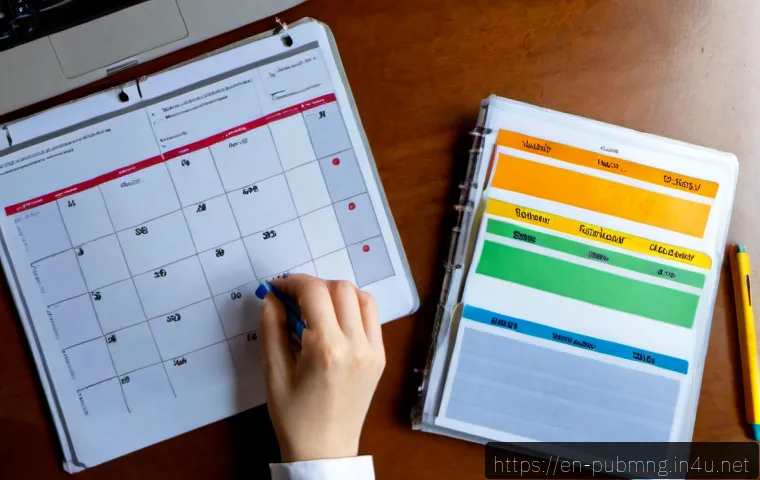
I’m a huge fan of visual aids, and nothing beats a well-organized planner or calendar for keeping your study schedule on track. Whether you prefer a digital app or a physical planner, color-coding subjects and marking completed tasks gave me a tangible sense of progress.
Seeing a daily checklist fill up is oddly satisfying and motivates you to keep going. Plus, it helps you spot when you might be overloading yourself or neglecting certain topics, allowing quick adjustments.
Mastering Focus Techniques for Maximum Retention
Implementing the Pomodoro Technique
The Pomodoro Technique became my secret weapon when concentration started slipping. It’s simple—25 minutes of intense focus, followed by a 5-minute break.
Repeat this cycle four times, then take a longer break. This method helped me tackle dense Public Administration materials by breaking them into manageable chunks without feeling overwhelmed.
Plus, the short breaks prevented fatigue, which meant my brain stayed sharp for longer stretches.
Eliminating Distractions Effectively
I learned the hard way that studying with notifications popping up or social media tabs open is a recipe for disaster. Turning off all non-essential alerts and using apps that block distracting websites during study sessions made a huge difference.
Creating a dedicated, clutter-free study space also helped my mind associate that spot with work, making it easier to switch into study mode. It’s amazing how much more you absorb when your environment supports your focus.
Active Recall and Self-Testing
Rather than passively rereading notes, I found that actively quizzing myself was far more effective. Using flashcards or practice questions forced me to retrieve information, which solidified my understanding and highlighted gaps.
This method not only boosted retention but also built my confidence, as I could see real progress. Incorporating active recall into short, focused sessions made my study time feel productive rather than endless.
Leveraging Resources and Support Systems
Utilizing Online Platforms and Practice Exams
The internet is a goldmine for Public Administration exam prep, but only if you pick quality resources. I relied heavily on reputable websites offering practice tests and up-to-date materials that mirrored the latest exam formats.
Regularly attempting these mock exams helped me familiarize myself with question styles and manage exam timing effectively. It also exposed areas where I needed extra review, making my study sessions more targeted and efficient.
Building a Study Group or Partner System
Studying alone can get lonely and monotonous. Joining a study group or pairing up with a classmate added accountability and fresh perspectives. We’d quiz each other, debate tricky concepts, and share notes, which deepened my understanding.
Plus, having someone else going through the same struggle was emotionally reassuring—sometimes just venting or exchanging tips made a world of difference in staying motivated.
Seeking Guidance from Mentors or Tutors
If you hit a wall with certain topics, don’t hesitate to reach out for help. I found that a few sessions with a tutor or a mentor who had already passed the exam saved me hours of confusion.
They provided insights that books couldn’t, clarified complex ideas, and offered personalized strategies. This kind of expert guidance can boost your confidence and prevent wasted time spinning your wheels.
Balancing Study with Well-Being

Prioritizing Sleep and Nutrition
It’s tempting to pull all-nighters or snack on junk food when the exam pressure mounts, but I learned that this only backfires. Quality sleep was crucial for memory consolidation, and a balanced diet kept my energy steady throughout long study days.
Simple habits like drinking enough water, eating brain-friendly foods like nuts and berries, and maintaining a consistent sleep schedule made a noticeable difference in how alert and motivated I felt.
Incorporating Physical Activity
Exercise became my sanity saver during intense preparation periods. Even a 20-minute walk or some stretching between study blocks cleared my mind and reduced stress.
I noticed that physical activity boosted my mood and helped me return to the books with renewed focus. It also prevented the sluggishness that comes from sitting too long, making study sessions more productive overall.
Practicing Mindfulness and Stress Management
Exam anxiety can be a serious hurdle, so I made mindfulness exercises part of my routine. Simple breathing techniques or brief meditation helped me stay grounded when nerves kicked in.
This wasn’t about eliminating stress entirely but managing it so it didn’t become paralyzing. Over time, these practices increased my resilience and kept me calm during both preparation and on exam day.
Tracking Progress and Adjusting Strategies
Regularly Reviewing Study Outcomes
Every week, I’d sit down to review what I’d accomplished versus what I planned. This reflection helped me spot patterns—like which topics took longer than expected or when my focus dipped—and adjust my schedule accordingly.
It’s easy to get stuck in a routine that’s not working, so periodic check-ins are essential to keep things on track.
Adapting to New Exam Formats or Guidelines
Public Administration exams sometimes update their format or focus areas, and staying informed is key. I subscribed to official newsletters and joined forums where recent test-takers shared insights.
When changes appeared, I tweaked my study methods to align with the new requirements rather than sticking stubbornly to old habits. Flexibility here kept me ahead of the curve.
Celebrating Small Wins to Maintain Motivation
Recognizing progress, no matter how small, was a huge motivator for me. Completing a tough chapter, scoring better on a practice test, or simply sticking to my schedule deserved acknowledgment.
I’d reward myself with little treats—a favorite snack or a short break to watch a show—which made the whole process feel less like a grind and more like a journey with milestones.
Comparison of Time Management Techniques
| Technique | Key Benefit | Best Use Case | Potential Drawback |
|---|---|---|---|
| Pomodoro Technique | Enhances focus with timed intervals | Maintaining concentration during long study hours | May interrupt deep work if sessions are too short |
| Visual Scheduling | Provides clear overview and motivation | Tracking progress and balancing subjects | Requires discipline to update consistently |
| Active Recall | Improves memory retention effectively | Preparing for exams requiring detailed knowledge | Can be time-consuming initially |
| Flexible Planning | Reduces stress by allowing adjustments | Balancing study with unpredictable daily life | Risk of procrastination without discipline |
| Study Groups | Offers social support and diverse perspectives | Clarifying difficult concepts and motivation | May lead to distractions if not managed well |
Closing Thoughts
Creating a study schedule that truly fits your lifestyle takes reflection, flexibility, and commitment. By combining smart time management with effective focus techniques and supportive resources, you can transform studying from a stressful chore into a manageable, even rewarding, part of your day. Remember, small adjustments and consistent effort pave the way to success.
Helpful Tips to Keep in Mind
1. Track your daily activities honestly before planning to uncover hidden pockets of free time.
2. Build flexibility into your schedule to handle unexpected changes without stress.
3. Use visual tools like color-coded calendars to stay motivated and organized.
4. Incorporate active recall methods such as flashcards to deepen understanding and retention.
5. Don’t neglect your well-being—prioritize sleep, nutrition, and physical activity to maintain energy and focus.
Key Takeaways
Effective study planning is not about rigid routines but about creating a personalized system that adapts to your life’s demands. Balancing focused study sessions with breaks and self-care prevents burnout and keeps motivation high. Leveraging technology, support networks, and expert guidance can enhance your preparation, while regularly reviewing progress ensures continuous improvement. Ultimately, a well-rounded approach leads to more productive study habits and better exam results.
Frequently Asked Questions (FAQ) 📖
Q: uestionsQ1: How can I effectively manage my time when preparing for the Public
A: dministration exam while handling other responsibilities? A1: Balancing study with daily commitments can be challenging, but the key is to create a realistic schedule that fits your unique routine.
Start by identifying your most productive hours—whether early morning or late evening—and dedicate that time exclusively to focused study. Break your study sessions into manageable chunks, like 25 to 30 minutes, followed by short breaks to keep your mind fresh.
Using tools like calendars or time-blocking apps can help you visualize and stick to your plan. Remember, consistency beats cramming; even 30 minutes a day adds up significantly over weeks.
I found that prioritizing tasks and eliminating distractions—like turning off phone notifications—made a huge difference in staying on track.
Q: What strategies can help me stay motivated and reduce stress during exam preparation?
A: Staying motivated often hinges on setting clear, achievable goals. Instead of overwhelming yourself with everything at once, break down your syllabus into smaller topics and celebrate each milestone you complete.
Incorporating variety in your study methods, such as mixing reading with practice questions or group discussions, can keep things engaging. Also, don’t underestimate the power of self-care; regular exercise, proper sleep, and short relaxation activities can recharge your brain and reduce anxiety.
When I felt overwhelmed, I made a habit of journaling my progress and reminding myself why this exam mattered to me, which kept my spirits high even on tough days.
Q: With recent changes in the exam format, how can I adapt my study plan to maximize performance?
A: Adapting to new exam formats means first thoroughly understanding what’s expected. Review any official guidelines or sample papers to identify question types and weighting.
If the exam now includes more essay-based questions or case studies, focus your preparation on developing critical thinking and writing skills rather than just memorization.
Practicing under timed conditions can also help you get comfortable with pacing. When I faced format changes, I shifted my study approach to include more active learning—like explaining concepts aloud or teaching peers—which deepened my understanding and improved recall.
Tailoring your strategy to the exam’s demands is essential for boosting confidence and performance on test day.