Preparing for the Public Administration certification exam can feel overwhelming without the right resources. Finding study materials that are clear, up-to-date, and tailored to the exam format is crucial for success.

Many candidates struggle with organizing their study time and choosing the best guides to maximize efficiency. From comprehensive textbooks to online practice tests, the options are vast but not all equally effective.
I’ve explored various resources firsthand and discovered which ones truly make a difference in understanding core concepts and boosting confidence. Let’s dive into the best study materials that can help you pass the exam smoothly and confidently!
Read on to get all the details.
Choosing the Right Core Textbooks for Public Administration
Identifying Authoritative and Updated Editions
When I first started my exam prep, I quickly realized that not all textbooks are created equal. Some editions are outdated or too theoretical, which made grasping practical concepts difficult.
What worked best for me were textbooks from well-known authors or publishers who specialize in public administration and update their content regularly.
These books balance theory with real-world examples, helping to clarify complex topics like organizational behavior, policy analysis, and administrative law.
Checking the publication date and reading user reviews gave me a clear sense of which books stayed current with exam trends.
How to Use Textbooks Effectively Without Feeling Overwhelmed
I found that simply reading cover to cover wasn’t efficient. Instead, I created a study schedule that focused on one chapter per day, combined with note-taking and summarizing key points in my own words.
Highlighting important sections and making flashcards for tricky concepts helped me retain information better. Also, revisiting chapters after a few days reinforced my understanding.
This approach turned a bulky textbook into a manageable and even enjoyable resource rather than a daunting one.
Balancing Depth and Breadth in Study Materials
Some textbooks dive very deep into niche areas, while others offer a broad overview. I learned it’s crucial to find a balance. For exam success, having a solid grasp of foundational concepts is more beneficial than getting lost in minute details.
Supplementing a comprehensive textbook with summary guides or cheat sheets allowed me to review efficiently without missing critical information. This combo kept me sharp and prevented burnout.
Leveraging Online Practice Tests and Simulations
Benefits of Timed Practice Exams
Taking timed practice tests online was a game-changer for me. They simulate the pressure of the actual exam, which helped me improve not only my knowledge but also my time management skills.
The instant feedback on answers pointed out my weak areas immediately, allowing me to focus my study time more strategically. Repeating these tests multiple times built my confidence and made the real exam feel less intimidating.
Where to Find Reliable and Free Practice Questions
There are many websites offering practice questions, but quality varies widely. I recommend looking for platforms affiliated with educational institutions or reputable test prep companies.
Many of these offer free question banks or sample exams that reflect the latest exam format and difficulty level. Signing up for email updates from these sites also kept me informed about new materials or changes in exam policies.
Incorporating Practice Tests into Your Study Routine
Rather than cramming all practice tests into the final week, I spaced them throughout my study period. For example, after completing a textbook chapter, I’d take a related quiz to reinforce learning.
Weekly full-length tests helped track my progress and adjust my study plan dynamically. This steady integration made the exam content feel more familiar and less stressful.
Utilizing Video Lectures and Interactive Tutorials
Advantages of Visual and Auditory Learning
For complex theories and frameworks in public administration, video lectures provided clarity that reading alone couldn’t offer. Watching experts explain concepts, often with visuals or real-world case studies, made it easier to absorb and retain information.
I noticed that when I rewound and rewatched tricky sections, it helped solidify my understanding far better than passive reading.
Top Platforms for Quality Educational Videos
Platforms like Coursera, edX, and YouTube host numerous courses and tutorials focused on public administration topics. I found that courses taught by professors from renowned universities or experienced practitioners gave me insights beyond the textbook.
Many videos come with subtitles and downloadable notes, which I used to review on the go. Subscribing to channels or playlists dedicated to exam prep kept my resources organized.
How to Stay Engaged and Avoid Passive Watching
Simply watching videos without active engagement can lead to poor retention. I made it a habit to pause frequently, take notes, and even discuss key points with study partners.
Occasionally, I’d try explaining concepts aloud as if teaching someone else, which revealed gaps in my understanding. This active learning approach transformed video watching from a passive activity into a productive study tool.
Organizing Your Study Schedule for Maximum Efficiency
Creating Realistic and Flexible Timelines
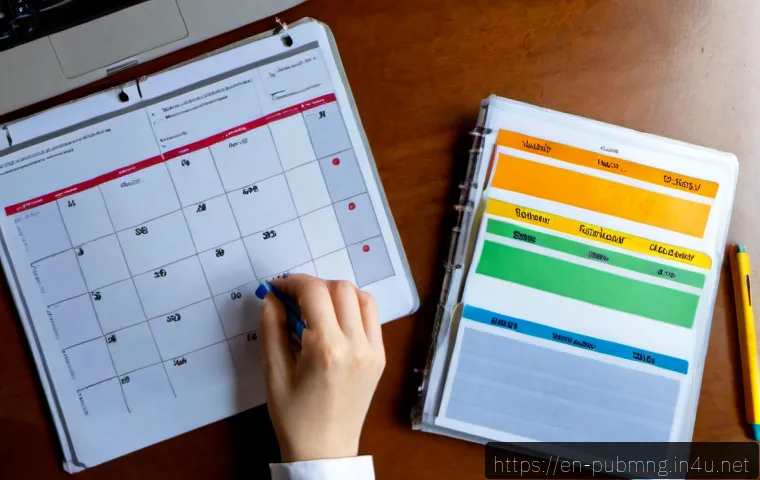
One of the biggest challenges I faced was managing my time effectively. I recommend breaking down the syllabus into small, manageable chunks and assigning specific days to each topic.
However, life happens, so building in buffer days for review or unexpected delays is essential. Using digital calendars or apps helped me visualize my progress and stay motivated without feeling overwhelmed.
Balancing Study Sessions with Breaks to Avoid Burnout
Long hours of nonstop studying can backfire. I found that incorporating short breaks every hour and longer breaks after intense study sessions refreshed my mind and improved focus.
Techniques like the Pomodoro method worked well, where I’d study for 25 minutes and then take a 5-minute break. This rhythm kept my energy up and prevented mental fatigue.
Tracking Progress and Adjusting Strategies
Regular self-assessment is key. I maintained a simple journal where I recorded what I studied each day, how confident I felt about the material, and what needed more attention.
This practice helped me identify patterns in my learning and adjust my strategies accordingly. For example, if I struggled with administrative law, I’d allocate extra sessions and seek alternative resources like expert blogs or podcasts.
Comparing Different Study Material Formats
| Format | Strengths | Weaknesses | Best Use Case |
|---|---|---|---|
| Textbooks | Comprehensive coverage, detailed explanations | Can be dense and time-consuming | Building foundational knowledge |
| Online Practice Tests | Simulates exam environment, instant feedback | Limited depth on topics | Assessing readiness and timing |
| Video Lectures | Engaging, clarifies complex topics visually | Passive if not actively engaged | Understanding difficult concepts |
| Summary Guides | Concise, easy to review quickly | May omit important details | Quick revision before exams |
| Flashcards | Great for memorization and quick recall | Not suitable for deep learning | Reinforcing key terms and definitions |
Finding Community Support and Study Groups
Benefits of Collaborative Learning
Joining a study group added a social dimension to my preparation that I hadn’t anticipated. Discussing topics with peers helped me see different perspectives and clarified points I was stuck on.
It also provided motivation on days when I felt unproductive. Sharing resources and quiz questions within the group created a richer learning environment.
Where to Locate Reliable Study Communities
I found online forums, social media groups, and local meetups specifically for public administration exam candidates. Platforms like Reddit, LinkedIn, and dedicated exam prep sites host active communities where members exchange tips, share materials, and support each other.
Before joining, I checked community activity levels and member credentials to ensure it was a serious and helpful group.
How to Make Study Groups Work for You
To maximize group benefits, setting clear goals and schedules is important. I preferred smaller groups where everyone was equally committed. We divided topics for presentations, quizzed each other, and held regular check-ins to stay accountable.
This structure prevented distractions and kept sessions focused, making group study a productive complement to solo efforts.
Incorporating Supplementary Materials for Deeper Insight
Using Academic Journals and Case Studies
Diving into academic journals gave me access to the latest research and debates in public administration. While these materials are more advanced, they provide context and depth beyond textbooks.
Case studies, in particular, illustrated how theories apply in real government settings. Reading these helped me develop critical thinking skills, which are often tested in essay or scenario questions.
Podcasts and Expert Interviews as On-the-Go Learning
When commuting or exercising, podcasts became my go-to resource. Hearing experts discuss current public administration challenges and strategies kept me connected to the field’s practical side.
This passive learning complemented my more intensive study sessions and made use of otherwise idle time.
Balancing Supplementary Materials Without Overloading
It’s easy to get carried away with extra resources, but I found it important to prioritize. I reserved supplementary materials for when I had a solid grasp of core content or when a topic felt particularly challenging.
This prevented overwhelm and ensured that every resource contributed meaningfully to my progress rather than becoming a distraction.
글을 마치며
Choosing the right study materials and strategies is essential for mastering public administration exams. By combining authoritative textbooks, practice tests, video lectures, and community support, you can build confidence and deepen your understanding. Remember, consistent effort and smart planning are the keys to success. Stay adaptable, stay motivated, and enjoy the learning journey.
알아두면 쓸모 있는 정보
1. Prioritize textbooks that are frequently updated and recommended by experts to ensure you’re studying relevant content.
2. Integrate timed practice tests early and often to improve both knowledge and exam-taking speed.
3. Use video lectures actively by taking notes and teaching concepts aloud to boost retention.
4. Structure your study schedule realistically, balancing focused sessions with regular breaks to maintain energy.
5. Join study groups or online communities to gain new perspectives and maintain motivation throughout your preparation.
중요 사항 정리
Effective exam preparation relies on selecting reliable and current resources tailored to your learning style. Balancing in-depth study with broad overviews prevents burnout while ensuring strong foundational knowledge. Incorporating interactive tools like practice tests and videos enhances engagement and retention. Consistent scheduling and self-assessment keep progress on track, and collaborative learning offers valuable support and insight. Above all, flexibility and persistence will help you navigate challenges and succeed confidently.
Frequently Asked Questions (FAQ) 📖
Q: What are the most effective types of study materials for the Public
A: dministration certification exam? A1: From my experience, the best study materials combine comprehensive textbooks that cover theory with up-to-date online resources like practice tests and flashcards.
Textbooks provide a solid foundation, but interactive tools help reinforce concepts and identify weak areas. I found that resources specifically tailored to the exam format, including scenario-based questions and recent policy updates, really made a difference in grasping core topics and feeling confident on test day.
Q: How should I organize my study time to prepare efficiently for the exam?
A: Organizing your study schedule is key to avoiding burnout and maximizing retention. I recommend breaking down the syllabus into manageable sections and assigning specific goals for each week.
Mixing reading with active practice, such as taking timed quizzes or summarizing key points aloud, keeps engagement high. Also, build in regular review sessions to revisit challenging topics.
Personally, setting daily and weekly milestones helped me stay motivated and track my progress without feeling overwhelmed.
Q: Are online practice tests worth using, and how can they improve my chances of passing?
A: Absolutely, online practice tests are invaluable. They simulate the exam environment, which helps reduce anxiety and improve time management. I noticed that taking multiple practice tests exposed me to a wider variety of questions and highlighted areas needing more focus.
Plus, many platforms offer detailed explanations for answers, which deepened my understanding beyond just memorizing facts. Using these tests regularly boosted my confidence and sharpened my test-taking strategies significantly.