Navigating the complexities of public administration exams can feel overwhelming, especially with the ever-evolving policies and governance challenges shaping today’s world.

Whether you’re aiming for a government role or seeking to sharpen your administrative expertise, mastering exam strategies is crucial to boost both confidence and results.
In this fast-paced environment, knowing how to efficiently prepare can make all the difference. Let’s dive into proven techniques that not only enhance your knowledge but also reduce stress, helping you stay ahead of the curve and ready to excel.
If you’ve been searching for a clear roadmap to success, you’re in the right place.
Strategic Planning for Effective Study Sessions
Creating a Realistic Study Schedule
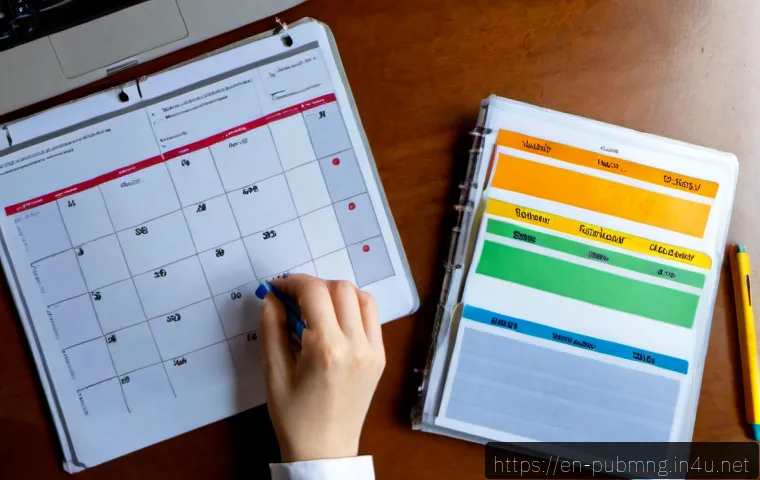
One of the biggest hurdles I faced when preparing for the public administration exam was managing my time effectively. Crafting a study schedule that balances work, rest, and revision is essential.
Instead of cramming last minute, I found that breaking down topics into manageable daily goals helped me avoid burnout. For instance, dedicating mornings to theory-heavy subjects and evenings to practice questions kept my brain engaged without overwhelming it.
A planner or digital calendar can be your best friend here—blocking out specific hours for focused study ensures consistency and builds momentum over weeks.
Setting Priorities Based on Exam Weightage
Not all topics carry equal weight in the exam, and realizing this early on can save precious time. I recommend identifying high-value subjects by reviewing past papers and official guidelines.
Prioritizing these areas allows you to maximize your score potential. For example, if governance policies constitute 40% of the exam, allocating more study time there makes sense.
However, don’t neglect smaller sections; aim for a balanced approach so that you’re not caught off guard by unexpected questions. This strategy also boosts confidence, knowing you’ve covered the most critical content thoroughly.
Incorporating Breaks and Review Periods
Study marathons without breaks often lead to diminishing returns. I learned the hard way that regular breaks refresh your mind and improve retention. Try the Pomodoro technique—25 minutes of focused study followed by a 5-minute break.
Every few cycles, take a longer rest to recharge. Also, allocate specific days for review rather than just moving forward with new material. Revisiting topics solidifies your understanding and highlights areas needing extra attention.
This rhythm keeps your preparation sustainable and less stressful.
Mastering Key Subject Areas with Depth
Diving into Policy Analysis
Policy analysis forms the backbone of many public administration exams. Rather than memorizing definitions, I focused on understanding the rationale behind policies and their real-world impact.
Reading government reports, current affairs, and case studies helped me grasp the nuances of policy-making. Discussing these topics with peers or mentors also clarified complex concepts.
This approach transformed dry material into engaging content, making it easier to recall during the exam.
Understanding Administrative Law Fundamentals
Administrative law can seem daunting with its technical jargon and numerous regulations. To tackle this, I broke down the subject into fundamental principles before moving to detailed statutes.
Using flowcharts and diagrams simplified the relationships between agencies, courts, and legislative frameworks. Practice questions that simulate real administrative decisions helped me apply theory practically.
Over time, this method built both confidence and competence in a subject I initially found intimidating.
Enhancing Quantitative and Analytical Skills
Quantitative sections often trip up candidates who overlook them in favor of theoretical subjects. I personally struggled with this, so I dedicated extra time to brushing up on basic statistics, data interpretation, and logic puzzles.
Online resources and mobile apps made daily practice accessible and engaging. Developing these skills not only improved my exam performance but also equipped me with valuable tools for administrative roles.
Remember, consistent practice is key; even 15 minutes daily can lead to significant improvement.
Effective Practice and Mock Exam Techniques
Simulating Real Exam Conditions
Taking mock exams under timed conditions was a game-changer for me. It highlighted my pacing issues and helped me adjust my approach to different question types.
I made it a point to replicate the exam environment—no phone, strict timing, and minimal distractions. This not only reduced anxiety on test day but also sharpened my focus.
Reviewing my mistakes afterward revealed patterns and weaknesses I could address before the actual exam.
Analyzing Mistakes to Improve
Mistakes are valuable learning tools if you approach them constructively. I kept a dedicated error log where I recorded questions I got wrong, along with explanations for the correct answers.
Over time, this log became a personalized revision guide, helping me avoid repeating errors. Understanding why I missed a question—whether due to knowledge gaps or careless errors—allowed me to fine-tune both content mastery and exam strategy.
Balancing Practice with Rest
While practicing is crucial, overdoing it can lead to fatigue and reduced retention. I learned to balance intense practice sessions with relaxation techniques like meditation and light exercise.
This balance improved my mental stamina and kept motivation high. Incorporating varied activities also prevented monotony, which often leads to procrastination.
Building a Support System for Motivation and Guidance
Joining Study Groups and Forums
Studying in isolation can be tough, especially for demanding exams. Joining online forums and local study groups introduced me to diverse perspectives and study tips I hadn’t considered.
Explaining concepts to others reinforced my own understanding, while group discussions kept me accountable. These communities often share valuable resources like notes, practice questions, and exam updates, which can be a huge advantage.

Seeking Mentorship from Experienced Professionals
Connecting with mentors who have successfully cleared similar exams or work in public administration provided me with insider insights. Their guidance on exam tactics, career paths, and resource recommendations proved invaluable.
Mentors can also help manage stress and maintain motivation by sharing their own experiences and encouragement.
Leveraging Technology for Interactive Learning
Apps and online platforms tailored to public administration exams offer interactive quizzes, flashcards, and video lectures that complement traditional study methods.
I found these tools especially helpful during commutes or short breaks. They make learning flexible and engaging, which is crucial for maintaining consistency over long preparation periods.
Optimizing Mental and Physical Well-being During Preparation
Incorporating Regular Exercise and Nutrition
Preparing for a high-stakes exam is mentally taxing, but physical health often gets overlooked. I started incorporating simple exercises like walking or yoga into my daily routine, which boosted my energy and focus.
Eating balanced meals and staying hydrated also had a noticeable impact on my concentration levels. These habits created a foundation for sustained study without burnout.
Practicing Mindfulness and Stress Management
Exam stress is a common challenge, and I found mindfulness meditation to be a powerful tool for managing anxiety. Even five minutes of deep breathing or guided meditation helped clear my mind and improve sleep quality.
Developing a positive mindset through affirmations and visualizing success kept me motivated during tough days.
Establishing Healthy Sleep Patterns
Sleep is often sacrificed during exam prep, but it’s critical for memory consolidation and cognitive function. I made it a priority to get at least seven hours of quality sleep nightly.
Avoiding screens before bedtime and creating a relaxing pre-sleep routine made falling asleep easier. This simple change significantly enhanced my ability to absorb and retain information.
Tracking Progress and Adjusting Strategies
Regular Self-Assessment and Reflection
I scheduled weekly check-ins to evaluate my progress and adjust study plans accordingly. This helped me identify which topics needed more focus and which strategies were working well.
Reflecting honestly on my preparation kept me proactive rather than reactive, allowing me to stay in control.
Using Performance Metrics to Guide Preparation
Tracking scores from practice tests, time spent on each section, and error types provided concrete data to guide my efforts. For example, if my accuracy on administrative law questions was low, I allocated more time to that area.
This data-driven approach made my preparation more efficient and goal-oriented.
Staying Flexible and Open to Change
Rigid plans can backfire if they don’t adapt to new challenges or insights. I stayed flexible by periodically experimenting with different study methods, like group discussions or teaching peers.
This openness prevented stagnation and kept my preparation dynamic and engaging.
| Preparation Aspect | Key Actions | Benefits |
|---|---|---|
| Time Management | Create realistic schedules, prioritize topics, incorporate breaks | Reduces burnout, ensures balanced coverage, improves retention |
| Subject Mastery | Deep dive into policies, law principles, and quantitative skills | Builds confidence, enhances understanding, improves exam scores |
| Practice Exams | Simulate real conditions, analyze mistakes, balance practice with rest | Improves pacing, identifies weaknesses, maintains motivation |
| Support System | Join groups, seek mentors, use tech tools | Provides motivation, diverse resources, flexible learning |
| Well-being | Exercise, nutrition, mindfulness, sleep hygiene | Boosts energy, reduces stress, enhances cognitive function |
| Progress Tracking | Self-assessment, performance metrics, flexible strategies | Optimizes study efficiency, adapts to needs, maintains control |
In Conclusion
Effective exam preparation is a combination of smart planning, focused study, and self-care. By managing your time wisely, mastering key subjects, and maintaining your well-being, you set yourself up for success. Remember, consistency and adaptability are your best allies throughout this journey. Stay motivated and keep refining your strategies to achieve your goals.
Useful Tips to Keep in Mind
1. Break your study material into small, manageable chunks to avoid feeling overwhelmed and to maintain steady progress.
2. Prioritize topics based on their importance and exam weight to maximize your scoring potential efficiently.
3. Use active learning techniques like summarizing, teaching others, and practicing with real exam questions for better retention.
4. Incorporate regular breaks and maintain a healthy lifestyle to keep your mind fresh and focused during study sessions.
5. Leverage technology and community support to stay motivated, access diverse resources, and enhance your learning experience.
Key Takeaways for Success
Strategic planning and realistic scheduling prevent burnout and ensure balanced coverage of all subjects. Deep understanding of core topics, paired with consistent practice and mock exams, builds confidence and sharpens exam skills. Maintaining mental and physical well-being is critical for sustained focus and performance. Finally, tracking your progress and being flexible with your approach allows you to adapt effectively and stay on course toward your goals.
Frequently Asked Questions (FAQ) 📖
Q: What are the most effective study techniques for public administration exams?
A: Based on my experience and what top candidates recommend, a mix of active recall and spaced repetition works wonders. Instead of passively reading, try summarizing key concepts in your own words and quiz yourself regularly.
Also, practice with past exam papers under timed conditions to build familiarity and reduce anxiety. Breaking down complex policies into manageable chunks helps, too.
This approach not only boosts retention but makes your study sessions more engaging, so you stay motivated longer.
Q: How can I stay updated with the latest policy changes relevant to the exam?
A: Staying current is crucial since public administration exams reflect real-world governance shifts. I found subscribing to reputable government newsletters and following official social media channels invaluable.
Additionally, setting up Google Alerts for keywords related to public administration keeps you informed without overwhelming your inbox. Joining online forums or study groups where recent developments are discussed can also provide practical insights.
This way, you’re not just memorizing facts but understanding their application in today’s administrative landscape.
Q: What strategies can help manage stress and improve confidence before the exam?
A: Stress management is often overlooked but makes a huge difference. Personally, incorporating short mindfulness breaks during study sessions helped me reset and avoid burnout.
Regular physical activity, even just a daily walk, boosted my mood and focus. On exam day, having a solid morning routine and arriving early eased nerves.
Visualizing success and reminding yourself of the hard work you’ve put in can build genuine confidence. Remember, it’s about progress, not perfection—approach the exam with a calm mindset, and you’ll perform at your best.