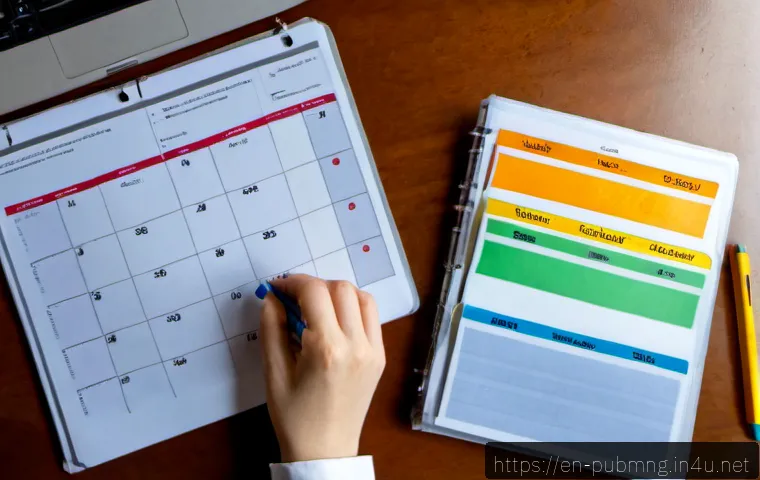
The fastest way to improve public management exam preparation is to identify whether your main problem is knowledge, scheduling, exam technique, or stress, then build a plan that includes review and timed practice.

Paid courses, tutoring, and question banks can help when they solve a specific weakness, but they are not automatically better than a focused self-study system.
Start with the official exam outline and rules, because requirements, permitted materials, and formats vary by exam authority. Use practice questions to find gaps in content, timing, and question interpretation rather than simply tracking scores.
If your schedule is limited, choose fewer resources and give each one a clear role. Before paying for support, compare how current the materials are, what feedback is included, and whether the format fits how you actually study.
At a Glance
- Check the official topic outline, eligibility rules, exam format, and permitted materials before building your schedule.
- Use timed practice questions to separate content gaps from pacing and question-interpretation problems.
- Choose a prep course, tutor, or practice-test subscription only when it fixes a clearly identified study barrier.
| Preparation Option | Cost Level | Flexibility | Feedback and Accountability | Best Fit |
|---|---|---|---|---|
| Self-study | Usually lower | High | Self-managed | Independent candidates with a reliable official outline |
| Exam-prep course | Varies | Depends on live or on-demand format | May include structure, instructor access, or peer support | Candidates who need pacing and organized lessons |
| One-to-one tutoring | Often higher per session | Can be tailored | Direct feedback | Candidates with narrow weak areas or written-response concerns |
| Question bank or practice-test subscription | Varies | High | Performance data may be available, but feedback differs | Candidates who need repeated timed practice |
Start by Identifying What Is Actually Blocking Your Progress
Do not assume that low confidence means you need more content. The useful first step is to identify the specific barrier: missing knowledge, inconsistent study time, weak exam technique, or pressure during timed work. Each problem needs a different response. Buying more materials before identifying the barrier can create more confusion rather than progress.
Separate Knowledge Gaps From Time-Management Problems
If you cannot explain a topic or apply it to a question, the issue may be content knowledge. If you understand the topic but repeatedly leave questions unfinished, the issue may be planning or pacing. Mark practice errors by category: “did not know,” “misread,” “ran out of time,” or “changed a correct answer.” This creates a more useful study target than a single overall score.
Recognize When Stress, Perfectionism, or Unclear Priorities Are Slowing Study
Some candidates spend too long making notes, organizing folders, or waiting until they feel fully ready to attempt questions. That can feel productive while delaying the practice that reveals what needs attention. Set a modest task with a clear finish point: review one topic, answer a small set of questions, and record the reason for every missed item. If timed conditions cause you to freeze, begin with shorter timed blocks and review the process afterward.
Use a One-Week Diagnostic Study Log
For one week, record what you planned, what you completed, what interrupted you, and what practice results showed. Keep it simple. At the end, look for patterns: a topic that takes much longer than expected, a study slot that never happens, or repeated timing errors. Your next week’s plan should respond to those patterns, not to an idealized schedule.
Build a Study Plan That Matches the Exam Format
A public-sector or civil service management exam may assess knowledge recall, policy understanding, analytical reasoning, and written communication. Your plan should therefore include more than reading. Match your work to the tasks the exam is expected to require, while checking the official authority for the current format and topic outline.
Turn the Official Topic Outline Into Weekly Study Blocks
List the official topics and divide them into manageable weekly blocks. Add a review block for earlier topics instead of treating each topic as finished after one session. If the official outline is broad, assign priorities based on your current confidence and the type of questions you miss. Do not rely on an unofficial course syllabus as a substitute for the authority’s published requirements.
Balance Learning, Review, and Timed Question Practice
A workable study cycle has three parts: learn the material, revisit it, and test how well you can use it under time limits. Practice questions can uncover gaps in terminology, reasoning, time management, and the wording of questions. For written work, practice organizing a direct response within the available time instead of only reading model explanations.
Create a Realistic Plan for Candidates With Work or Family Commitments
Use study blocks that fit your real week. A smaller routine completed consistently is more useful than an ambitious timetable that collapses after a few days. Protect one regular review session and one timed-practice session where possible. When time is tight, keep the official outline, error log, and practice work at the center of your system.
Compare Self-Study, Prep Courses, Tutoring, and Practice Banks
The best preparation option is the one that removes your main obstacle without duplicating resources you already use effectively. A public management exam prep course may offer structure, while a tutor may be more useful for targeted feedback. A practice-test subscription can be valuable when you need repetition and timing data, but only if its content is current and relevant to your exam.
When a Paid Course Can Save Time Versus Duplicate Free Resources
A paid course may save time if it organizes an overwhelming syllabus, provides updated lessons, creates a realistic study sequence, or offers access to questions and feedback you cannot otherwise obtain. It may duplicate your existing resources if you already have a reliable official outline, strong study habits, and enough relevant practice material. Consider the time cost as well as the purchase cost: will the format reduce planning effort, or add another set of lessons you feel obliged to finish?
Questions to Ask Before Paying for Tutoring or a Question Subscription
Ask whether the materials are updated, what exam format they are designed for, whether instructor feedback is included, and how long access lasts. For tutoring services, ask how the tutor identifies weak areas and whether feedback can cover analytical or written responses when needed. For a question bank, check whether explanations are available and whether timed practice is supported. Review trial access, cancellation terms, update policy, and refund terms before enrolling.
Fix the Most Common Preparation Mistakes Before They Become Expensive
Many preparation problems are not caused by a lack of effort. They come from using the wrong material, delaying timed practice, or collecting too many tools without a workflow. Fixing these issues early can prevent wasted study time and unnecessary spending.
Studying From Outdated or Unofficial Materials
Older notes, shared files, and generic management resources may be useful for background learning, but they should not define your preparation. Confirm the current exam rules, topic outline, eligibility requirements, and permitted materials directly with the relevant exam authority. If a commercial provider makes claims about coverage, compare its stated scope with the official information.
Memorizing Facts Without Practicing Application and Written Responses
Recall matters, but public management and administration questions may also require interpretation and reasoning. After studying a topic, ask how it might appear in a scenario, comparison, or written prompt. Practice explaining your reasoning clearly. This helps reveal whether you understand the material beyond a familiar definition.

Ignoring Timing Until the Final Weeks
Untimed work is helpful when learning a new topic, but it does not fully prepare you for an exam setting. Introduce timed practice before the final stage of preparation. Review not only incorrect answers but also unfinished questions and rushed answers. The goal is to develop a repeatable pace, not to chase a perfect practice result.
Buying Multiple Resources Without a Clear Study Workflow
Give every resource one job. For example, use the official outline for scope, a course or textbook for learning, and a question bank for testing. If two products do the same job, choose the one that is clearer, more current, and easier to use consistently. More subscriptions do not automatically create better preparation.
Adjust Your Approach for Your Current Situation
Your plan should change when circumstances change. The key is to make one practical adjustment at a time and measure whether it improves completion, accuracy, or pacing.
If You Are Starting Late
Start with the official outline and identify the topics that need the most attention. Focus on core coverage, recurring review, and timed exposure rather than trying to create perfect notes for every area. A structured exam-prep course can be worth considering if it gives you a usable sequence quickly, but confirm that it matches your actual exam.
If You Keep Scoring Poorly on Practice Tests
Break results into error types. Low performance may reflect weak knowledge, misunderstood wording, rushed decisions, or unfamiliar timing. Re-study only the topics connected to repeated errors, then attempt fresh questions. A tutor can be useful if you need feedback that an answer key cannot provide, particularly for reasoning or written responses.
If You Understand the Material but Freeze Under Timed Conditions
Practice under gradually more realistic limits. Begin with short sets, then increase the length as you become more comfortable. Use the same opening routine each time: read instructions, note the time available, and move on when a question is taking too long. This is a skills issue to practice, not proof that you do not understand the material.
If You Need Structure Without Committing to an Expensive Program
Create a weekly checklist from the official outline, schedule review and question practice, and use a study log for accountability. A limited question-bank subscription or a small number of tutoring sessions may provide targeted support without requiring a full course. Compare what is included before committing to any paid exam preparation service.
Choosing Preparation Support: A Final Comparison and Decision Checklist
Choose self-study when you can follow a reliable syllabus, maintain a routine, and learn from your errors independently. Choose an exam-prep course when you need structured lessons, clear pacing, and material updates. Choose tutoring when feedback on weak topics, analytical reasoning, or written work is your priority. Choose a practice-test subscription when repeated questions and timed practice are the missing pieces. Compare format, update policy, trial access, total cost, cancellation terms, and practice access before enrolling. For official requirements and detailed provider conditions, check the relevant authority or service page directly.
Conclusion
Better public management exam preparation starts with a clear diagnosis, not a larger pile of resources. Use the official exam information to define what you need to study, then use regular review and timed practice to test your approach. Paid support is most useful when it solves a known problem such as lack of structure, limited feedback, or insufficient practice. Keep your workflow simple enough to repeat each week.
Useful Information to Keep in Mind
1. Keep an error log that records why an answer went wrong, not only whether it was wrong.
2. Check official updates before relying on any course, notes, or question bank.
3. Treat timed practice as a regular part of preparation, not a final-week activity.
4. Review access length, material updates, and cancellation terms before purchasing preparation support.
Important Notes
Exam content, scoring, eligibility, dates, permitted materials, and official endorsements vary by country and exam authority. This guide cannot confirm whether a particular course, tutor, practice platform, or resource is suitable for your exam. Always verify current requirements directly with the relevant official authority and review commercial service terms before making a purchase.
Frequently Asked Questions
Q1. Is a paid public management exam preparation course worth the cost?
A1. It may be worthwhile if it provides structure, updated material, practice access, or feedback that addresses a specific weakness. If you already have a reliable outline, disciplined schedule, and useful practice materials, self-study may be enough. Compare the course format, update policy, access period, and total cost before enrolling.
Q2. How many practice tests should I take before a public administration or management exam?
A2. There is no universal number. The important point is to complete enough timed practice to identify patterns in knowledge, pacing, and question interpretation, then adjust your study plan based on those patterns. Quality review of mistakes matters as much as the number of tests attempted.
Q3. Should I choose self-study or a tutor if I struggle with time management?
A3. Start by using a simple weekly plan and a one-week study log to see whether the problem is scheduling, unclear priorities, or difficulty starting tasks. A tutor may help if regular accountability and targeted feedback are the missing pieces. If you mainly need structure, a clear self-study checklist or a paced prep course may be a better fit than one-to-one tutoring.