
Navigating the world of public administration today means tackling a host of complex challenges—from balancing transparency with efficiency to integrating innovative technologies while maintaining ethical standards.

These issues not only impact how services are delivered but also shape public trust and policy effectiveness. Understanding the evolving landscape is crucial for anyone involved in managing public resources and programs.
Whether it’s addressing budget constraints or adapting to digital transformations, the practical realities demand thoughtful solutions. Let’s dive deeper and explore the key topics shaping public administration in practice.
Stay with me as we uncover the details!
Balancing Transparency and Operational Efficiency
The Challenge of Open Government
Maintaining transparency in public administration is a tightrope walk. On one hand, citizens demand clear access to information and decision-making processes to hold officials accountable.
On the other, complete openness can sometimes slow down operations or expose sensitive data that could compromise security or privacy. From my experience working alongside local government agencies, striking this balance means carefully crafting policies that promote openness without hampering day-to-day efficiency.
For instance, adopting tiered information disclosure—where certain data is readily available while other types require authorization—has proven effective.
Transparency is not just about dumping data online but ensuring it is understandable and timely, which requires investment in user-friendly platforms and staff training.
Streamlining Processes Without Sacrificing Accountability
Efficiency often calls for simplifying workflows, cutting unnecessary steps, or automating routine tasks. However, the risk is that rapid process changes might reduce oversight or introduce errors.
I’ve witnessed how some administrations rushed digital transformations only to face backlash when glitches or miscommunications occurred. The key is to embed accountability checkpoints within streamlined processes.
For example, workflow automation tools can include mandatory approvals before advancing to the next stage, preserving human oversight. Additionally, continuous monitoring and feedback loops help catch inefficiencies or risks early, allowing timely adjustments without undoing efficiency gains.
Leveraging Citizen Feedback to Enhance Both Transparency and Efficiency
One of the most underutilized assets in public administration is direct citizen input. Incorporating feedback mechanisms—surveys, public forums, or digital suggestion platforms—can illuminate where transparency or efficiency efforts fall short.
In one project I was involved in, a city council introduced an online portal where residents could track service requests and leave comments. This not only improved transparency but also helped identify bottlenecks in service delivery, allowing administrators to tweak workflows in real-time.
When citizens see their voices reflected in improvements, it boosts trust and encourages a more collaborative approach to governance.
Integrating Technology Responsibly in Public Services
Choosing the Right Digital Tools
The rush to digitize public services can sometimes lead to adopting technology for technology’s sake. What I’ve learned is the importance of aligning tech choices with actual community needs and organizational capacity.
For example, implementing a complex AI system to automate case management might look impressive but can backfire if staff are not trained or if the community is not digitally literate.
Successful tech integration starts with thorough needs assessments and pilot programs that allow gradual scaling. It’s better to have a simple, well-used tool than a flashy system gathering dust because it’s too complicated or irrelevant.
Data Privacy and Ethical Considerations
With more data being collected than ever before, public administrators carry a heavy responsibility to protect individual privacy. I’ve seen agencies struggle with setting clear policies on data usage, especially when sharing information across departments or with third-party vendors.
Ethical considerations must be embedded from the start: Who has access? How long is data retained? What safeguards prevent misuse?
Transparency about these practices is crucial for maintaining public trust. In practice, developing robust data governance frameworks that include consent protocols and regular audits has helped mitigate risks while enabling the benefits of data-driven decision-making.
Training and Change Management for Successful Adoption
Technology adoption fails more often because people aren’t ready for it than because of technical flaws. From firsthand experience, the human factor is critical.
Staff need ongoing training, not just at rollout but as systems evolve. Moreover, involving employees early in the design and implementation phases fosters ownership and reduces resistance.
Change management strategies like peer mentoring, hands-on workshops, and feedback sessions have been instrumental in smoothing transitions. When people feel supported and heard, adoption rates and overall success soar.
Addressing Budget Constraints with Strategic Resource Management
Prioritizing Programs Based on Impact
Limited budgets force tough choices about which programs to fund. What I’ve noticed in practice is that data-driven prioritization can make these decisions more objective and effective.
By evaluating programs based on measurable outcomes and community needs, administrators can allocate resources where they generate the most benefit. For instance, a health department I worked with shifted funding towards preventative care initiatives after data showed they reduced hospital admissions significantly.
This kind of strategic focus not only stretches budgets but also improves service quality.
Innovative Funding Models
Traditional funding streams often fall short, especially in times of economic uncertainty. Exploring alternative financing methods—public-private partnerships, grants, or social impact bonds—can open new doors.
I recall a case where a municipal transit agency collaborated with private firms to fund electric bus fleets, reducing upfront costs while advancing sustainability goals.
While these models can be complex and require careful negotiation, they provide flexibility and additional resources that would otherwise be unavailable.
Cost-Saving Through Collaboration and Shared Services
Pooling resources across agencies or jurisdictions is another practical approach. Shared services—whether in IT, procurement, or human resources—can reduce duplication and leverage economies of scale.
In one region, several small municipalities formed a consortium to jointly manage their IT infrastructure, resulting in significant savings and improved service reliability.
Collaboration requires trust and clear agreements but can be a game-changer when budgets are tight.
Enhancing Public Trust Through Ethical Leadership
Modeling Integrity in Decision-Making
Ethical leadership isn’t just about compliance but about setting a tone that values fairness and transparency. From my observation, leaders who openly communicate their reasoning—even when decisions are unpopular—build stronger trust.
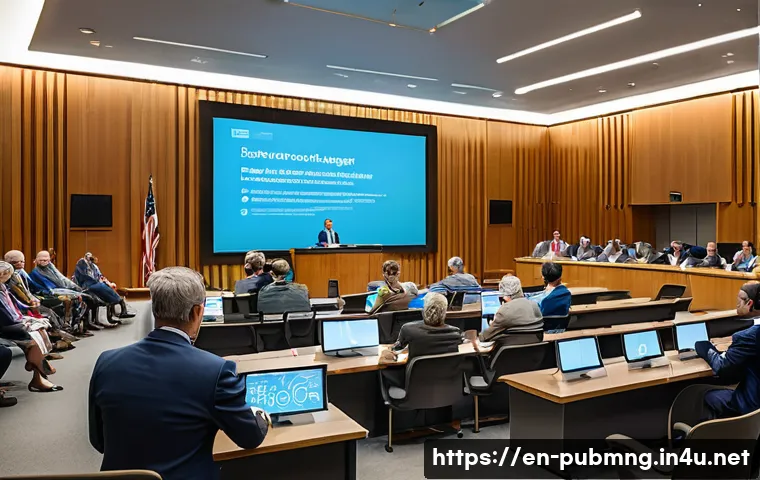
This means admitting mistakes, being accessible, and consistently applying rules without favoritism. When staff and citizens see integrity in action, it creates a culture where ethical behavior is the norm rather than the exception.
Building Accountability Mechanisms
Accountability structures such as independent oversight bodies, whistleblower protections, and clear reporting channels are vital. I’ve encountered situations where lack of accountability led to corruption or inefficiency, severely damaging public confidence.
Establishing these mechanisms helps detect problems early and assures the public that officials are held to high standards. Transparency in investigations and consequences also reinforces trust.
Fostering Ethical Awareness Among Staff
Ethics training and ongoing dialogue about values empower employees to navigate complex situations. It’s not enough to have a code of conduct tucked away; real impact comes from integrating ethics into daily work through workshops, case discussions, and leadership engagement.
When employees understand the why behind policies and feel supported in making ethical choices, the entire organization benefits.
Adapting to Rapid Policy Changes and External Pressures
Building Organizational Agility
Public administration often operates in unpredictable environments, from shifting political landscapes to emergencies like pandemics. The ability to pivot quickly is essential.
Agencies I’ve worked with improved agility by decentralizing decision-making, empowering frontline staff, and maintaining flexible budget lines. This reduces bottlenecks and allows faster response times without sacrificing oversight.
Engaging Stakeholders in Policy Development
Inclusive policy-making that involves community groups, businesses, and other stakeholders helps anticipate challenges and build consensus. I recall a transportation planning effort where early engagement with diverse voices uncovered concerns about equity and accessibility that might have been overlooked.
This approach not only improves policy relevance but also fosters broader support, easing implementation.
Continuous Learning and Adaptation
No policy environment is static. Successful administrators embrace continuous learning—analyzing outcomes, gathering feedback, and adjusting strategies accordingly.
This mindset requires creating feedback loops and encouraging innovation without fear of failure. From my perspective, agencies that institutionalize learning are better positioned to thrive amid change.
Public Service Delivery in a Digital Era
Designing User-Centered Services
Digital transformation is more than digitizing forms; it’s about reimagining how services meet citizen needs. I’ve seen that involving users early in design—through usability testing and focus groups—can dramatically improve satisfaction and reduce errors.
For example, redesigning an online permit application based on user feedback cut processing times by half and lowered call center volumes.
Bridging the Digital Divide
Not all citizens have equal access to or comfort with technology, creating risks of exclusion. Effective public administration actively addresses this by offering multiple service channels—phone, in-person, and digital—and providing digital literacy programs.
One library system partnered with community centers to offer tech training, helping bridge gaps and ensuring services reach vulnerable populations.
Measuring Performance and Impact
Tracking digital service metrics—such as completion rates, user satisfaction, and response times—provides critical insights. In practice, dashboards that present real-time data to managers enable quick problem-solving and continuous improvement.
Transparent sharing of these metrics with the public can also enhance trust by demonstrating commitment to service excellence.
| Key Challenge | Practical Solution | Benefits |
|---|---|---|
| Balancing transparency and efficiency | Tiered information disclosure and user-friendly platforms | Improved public trust without operational delays |
| Technology adoption | Needs assessment, pilot programs, and staff training | Higher adoption rates and reduced resistance |
| Budget constraints | Data-driven prioritization and alternative funding | Maximized impact with limited resources |
| Ethical leadership | Transparent decision-making and accountability mechanisms | Strengthened public confidence and organizational culture |
| Adapting to policy changes | Decentralized decision-making and stakeholder engagement | Faster responses and broader support |
| Digital service delivery | User-centered design and bridging digital divide | Greater accessibility and user satisfaction |
Conclusion
Balancing transparency with operational efficiency remains a delicate yet essential goal in public administration. By thoughtfully integrating technology, fostering ethical leadership, and prioritizing resources strategically, agencies can better serve their communities. Embracing citizen engagement and adaptability ensures that public services remain responsive and trustworthy in a rapidly changing environment.
Useful Information to Keep in Mind
1. Transparency is most effective when information is accessible, understandable, and released in a controlled manner to protect sensitive data.
2. Successful technology adoption relies on matching tools to user needs, providing adequate training, and piloting changes before full implementation.
3. Budget constraints can be managed by focusing on programs with measurable impact and exploring innovative funding partnerships.
4. Ethical leadership builds public trust through consistent integrity, clear accountability mechanisms, and ongoing ethics education for staff.
5. Adapting quickly to policy shifts requires decentralized decision-making and meaningful stakeholder involvement to foster broad support.
Key Takeaways
Achieving the right balance between transparency and efficiency demands strategic planning and thoughtful policy design. Technology must be implemented responsibly with an emphasis on training and user needs to avoid pitfalls. Resource limitations can be navigated through data-driven prioritization and creative funding. Ethical leadership and accountability are foundational to public trust, while organizational agility ensures resilience amid change. Lastly, centering service delivery around user experience and inclusivity enhances accessibility and satisfaction in the digital age.
Frequently Asked Questions (FAQ) 📖
Q: How can public administrators balance transparency with efficiency in their operations?
A: Striking the right balance between transparency and efficiency is one of the trickiest parts of public administration. From my experience, being transparent doesn’t have to slow things down if you implement clear communication channels and use technology wisely.
For example, publishing budget reports and project updates online regularly keeps the public informed without bogging down day-to-day operations. At the same time, streamlining internal workflows with automation tools helps maintain efficiency.
It’s about creating a culture where openness is prioritized but doesn’t come at the cost of delivering services promptly.
Q: What are the biggest challenges when integrating new technologies into public administration?
A: Integrating new technologies often feels like walking a tightrope. On one hand, these innovations can drastically improve service delivery and data management.
On the other, there are concerns about data privacy, staff training, and upfront costs. From what I’ve seen, one common hurdle is resistance to change—many public sector employees are accustomed to legacy systems and may feel overwhelmed.
Successful integration usually requires strong leadership, ongoing training, and clear communication about the benefits. Also, ensuring that technology aligns with ethical standards and legal requirements is crucial to maintain public trust.
Q: How do budget constraints affect decision-making in public administration?
A: Budget limitations are a constant reality and heavily influence how public administrators prioritize projects and allocate resources. When money is tight, it forces leaders to make tough choices—sometimes cutting back on less critical programs or finding creative partnerships to stretch funds further.
From my perspective, transparency about these constraints with the public can foster understanding and support. Additionally, leveraging data to identify inefficiencies helps maximize impact without necessarily increasing spending.
It’s a delicate balancing act, but effective financial management often leads to smarter, more sustainable outcomes.