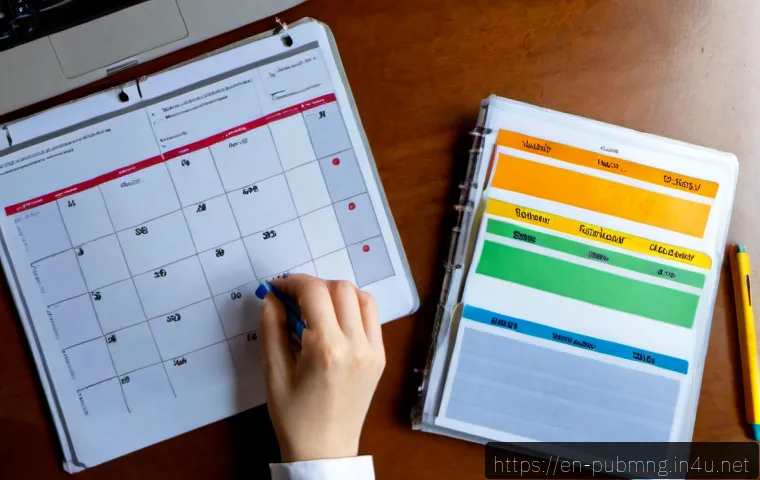
Preparing for the Public Administration Certification exams can feel overwhelming, especially when balancing both written and practical sections. From organizing study schedules to mastering key concepts, a strategic approach makes all the difference.

I’ve found that integrating real-life scenarios into study sessions not only boosts understanding but also keeps motivation high. Whether you’re just starting or aiming to improve your scores, knowing the right tips can save you time and stress.
Let’s dive in and explore the most effective ways to tackle both parts of the exam with confidence!
Crafting a Realistic Study Timeline
Assessing Your Starting Point
Before diving headfirst into the mountain of study materials, take a moment to honestly evaluate where you stand. Are you brushing up on basics, or are you already familiar with the core concepts?
I found that writing down my strengths and weaknesses helped me prioritize what needed more attention. This self-assessment creates a roadmap, making the vast syllabus feel less intimidating.
It’s like setting a GPS before a long trip—you want to know your current location to plan the best route ahead.
Breaking Down Study Sessions
Instead of marathon study days that leave you drained, try dividing your preparation into manageable chunks. For example, dedicating 90 minutes to focused study with short breaks can keep your mind fresh and reduce burnout.
I personally used the Pomodoro technique, which kept me motivated and prevented fatigue. Plus, alternating between theoretical reading and practical exercises during these sessions keeps the brain engaged in different ways, enhancing retention.
Building Flexibility Into Your Schedule
Life is unpredictable, so building wiggle room into your study calendar is crucial. I scheduled buffer days for catch-up or light review, which saved me when unexpected commitments popped up.
This flexibility prevents the all-too-common panic of falling behind and helps maintain steady progress without sacrificing mental health.
Mastering Core Concepts Through Practical Examples
Connecting Theory With Real-World Applications
Simply memorizing facts isn’t enough, especially for public administration where practical understanding is key. I started linking concepts to current events or scenarios I’ve encountered personally or read about.
This approach made abstract ideas tangible and easier to recall during the exam. For instance, when studying organizational theory, I thought about how city councils or nonprofit organizations I know operate, which painted a vivid picture beyond textbook definitions.
Role-Playing to Deepen Comprehension
Engaging in role-play exercises with peers or mentors allows you to simulate decision-making scenarios you might face in the practical exam. I found that stepping into the shoes of a public administrator forced me to think critically and apply knowledge dynamically.
This technique also boosts confidence, as it transforms passive learning into active problem-solving.
Utilizing Case Studies for Insight
Diving into detailed case studies provides a comprehensive understanding of how principles play out in complex situations. I made it a habit to analyze cases from multiple angles, questioning what went right or wrong, and how alternative actions could have changed outcomes.
This not only sharpened analytical skills but also prepared me for unpredictable questions on the test.
Enhancing Memory Retention With Smart Techniques
Spaced Repetition and Its Benefits
Revisiting information at increasing intervals is a scientifically proven way to cement knowledge. I used spaced repetition apps and physical flashcards, revisiting challenging topics regularly.
This method prevented last-minute cramming and ensured that key facts stayed fresh in my mind well beyond the initial study phase.
Creating Visual Aids
Visual tools like charts, mind maps, and infographics transform dense information into digestible formats. When I converted lengthy notes into colorful diagrams, the material became less daunting and more engaging.
These visuals also serve as quick reference points during final revisions, saving time and reinforcing understanding.
Teaching Others to Reinforce Learning
Explaining concepts to a study partner or even to yourself out loud can highlight gaps in understanding and solidify knowledge. I often pretended I was giving a mini-lecture, which forced me to organize thoughts clearly and confidently.
This active recall technique proved invaluable for both the written and practical components.
Balancing Written and Practical Exam Preparation
Understanding the Distinct Demands
The written exam tests your grasp of theory and concepts, while the practical exam evaluates your ability to apply knowledge in real-life scenarios. Recognizing this difference early on helped me tailor my study approach accordingly.
For instance, I allocated more time to memorization and note-taking for the written part, while dedicating hands-on exercises and scenario analyses to practical prep.
Integrating Practice Tests Into Your Routine
Taking timed practice tests simulates exam conditions and highlights areas needing improvement. I scheduled these tests weekly and reviewed mistakes thoroughly afterward.
This process not only boosted my test-taking speed but also eased exam-day anxiety by making the environment more familiar.
Seeking Feedback and Adjusting Accordingly
After each mock exam or practical exercise, I sought feedback from mentors or peers. Honest critiques helped me identify blind spots and refine techniques.
Being open to constructive criticism was tough at first but ultimately accelerated my progress and boosted my confidence significantly.
Maintaining Motivation and Managing Stress
Setting Small, Achievable Goals
Breaking your preparation into bite-sized goals creates a sense of accomplishment and keeps motivation high. I celebrated minor victories like completing a chapter or mastering a difficult concept, which fueled my momentum.

These wins felt like stepping stones toward the bigger objective, making the journey less overwhelming.
Incorporating Regular Breaks and Rewards
It’s easy to burn out when studying intensely. I made sure to schedule breaks and small rewards, like a short walk or a favorite snack, to recharge mentally.
These pauses prevented fatigue and kept my focus sharp during study sessions.
Practicing Mindfulness and Stress Reduction Techniques
Exam preparation can stir up anxiety, so I incorporated breathing exercises and mindfulness meditation into my routine. Even five minutes of focused breathing helped calm nerves and improve concentration.
This practice was especially helpful before practice tests and on exam day itself.
Organizing Study Materials for Maximum Efficiency
Creating a Centralized Resource Hub
Gathering all study materials—notes, textbooks, digital files—in one accessible place saves precious time. I organized mine by topic and format, which streamlined review sessions and reduced the frustration of hunting for information.
This kind of systematization brings order to what can otherwise feel like chaos.
Using Technology to Your Advantage
Apps for note-taking, flashcards, and scheduling can boost productivity significantly. I experimented with several tools and found that syncing notes across devices allowed me to study anytime, anywhere.
Digital reminders also kept me accountable and on track.
Keeping Track of Progress Visually
Marking off completed topics on a checklist or progress chart gives a visual sense of achievement. I combined this with a calendar view to plan ahead and avoid last-minute cramming.
Seeing tangible progress was surprisingly motivating, especially during tough study phases.
Strategizing Exam Day Preparation and Execution
Planning Your Exam Day Logistics
Knowing exactly when and where your exam will take place, what materials you need, and how to get there eliminates unnecessary stress. I mapped out the route, packed essentials the night before, and set alarms with plenty of buffer time.
These small steps made a big difference in feeling calm and prepared.
Adopting Time Management Strategies During the Exam
I recommend tackling easier questions first to build confidence and secure quick points, then moving to tougher ones. Keeping an eye on the clock and pacing yourself helps prevent rushing or leaving questions unanswered.
Practicing this strategy during mock tests made it second nature.
Maintaining Composure and Focus
When nerves creep in, grounding techniques like deep breathing or brief mental breaks can help reset focus. I reminded myself to read questions carefully and avoid rushing.
Staying calm allowed me to think clearly and perform at my best throughout the exam.
| Preparation Element | Recommended Approach | Personal Tip |
|---|---|---|
| Study Scheduling | Divide into focused sessions with breaks, include buffer days | Used Pomodoro technique to stay fresh and motivated |
| Concept Mastery | Link theory to real-world examples and case studies | Role-played scenarios to deepen understanding |
| Memory Retention | Spaced repetition, visual aids, teaching others | Created colorful mind maps and explained topics aloud |
| Exam Practice | Regular timed mock tests and feedback incorporation | Sought mentor critiques to refine answers |
| Stress Management | Set small goals, take breaks, mindfulness exercises | Used breathing techniques before exams to stay calm |
| Exam Day Strategy | Plan logistics, time management, stay composed | Tackled easy questions first to build confidence |
Closing Thoughts
Creating a well-structured study plan is the foundation for success. By combining realistic timelines, practical examples, and memory techniques, you can make your preparation more effective and less stressful. Remember, flexibility and self-care play just as important a role as hard work. With the right mindset and strategies, you’ll approach your exam day confident and ready to excel.
Useful Information to Keep in Mind
1. Break your study sessions into focused intervals with regular breaks to maintain energy and improve retention.
2. Connect theoretical concepts to real-life examples to deepen understanding and recall during exams.
3. Use spaced repetition and visual aids like mind maps to reinforce memory over time.
4. Regularly take practice tests under timed conditions and seek feedback to identify areas for improvement.
5. Manage stress through small goals, mindfulness practices, and planned rewards to stay motivated and balanced.
Key Takeaways
Effective exam preparation blends structured scheduling with adaptable flexibility, ensuring consistent progress even when life gets busy. Applying theory through practical exercises and real-world scenarios strengthens comprehension and confidence. Memory is best retained through active techniques like spaced repetition and teaching others. Don’t overlook the importance of stress management and clear exam-day planning to maintain focus and perform your best when it counts.
Frequently Asked Questions (FAQ) 📖
Q: How can I effectively balance studying for both the written and practical parts of the Public
A: dministration Certification exam? A1: Balancing the written and practical sections requires a well-structured study plan that dedicates time to both theory and hands-on application.
From my experience, breaking down your study schedule into focused blocks—such as mornings for written material and afternoons for practical exercises—helps maintain variety and prevents burnout.
Incorporating real-life scenarios into your practical study not only reinforces concepts but also makes the learning process more engaging. Additionally, regularly revisiting weak areas and simulating exam conditions can boost your confidence and readiness for both parts.
Q: What are some strategies to stay motivated during the long preparation period for this exam?
A: Staying motivated can be tough when preparing for a comprehensive exam like this. What worked for me was setting small, achievable goals each week and rewarding myself when I hit them.
For example, after mastering a tough topic or completing a practice test, I’d take a break to do something I enjoy. Also, mixing up study methods—like watching videos, discussing with peers, or applying concepts to current events—kept the process fresh.
Remember, understanding how the certification can impact your career helped me push through moments of fatigue or frustration.
Q: How can I improve my performance on the practical section of the exam?
A: Improving your practical skills comes down to hands-on practice and applying theoretical knowledge to realistic situations. I found that creating or participating in mock scenarios closely related to public administration tasks was invaluable.
For instance, role-playing decision-making processes or drafting policy proposals based on case studies sharpened my critical thinking and problem-solving skills.
Don’t hesitate to seek feedback from mentors or peers, as this external perspective can highlight areas for improvement you might overlook on your own.
Consistency and reflection on your practice sessions really make a difference.