Hey there, amazing readers! Have you ever found yourself thinking about how things *could* be run better in our communities, or even across entire cities?
Honestly, I’ve spent countless hours diving deep into just that, and let me tell you, the world of public management is undergoing a truly incredible transformation right now.
It’s not just about traditional bureaucracy anymore; we’re talking about a dazzling array of new technologies and smart tools that are revolutionizing how governments and public services operate, making them more efficient, transparent, and crucially, more responsive to *us*, the people they serve.
From leveraging cutting-edge AI to predict community needs before they even arise, to utilizing blockchain for iron-clad secure data and truly transparent civic processes, the pace of innovation is absolutely breathtaking.
I’ve personally seen how these advancements are smoothing out previously frustrating citizen interactions and even enabling more proactive problem-solving for everything from urban planning to emergency response.
It’s a shift from reactive to predictive, from opaque to crystal clear, and it feels like we’re finally stepping into an era where public services truly work *for* everyone.
If you’re as fascinated as I am by how technology is reshaping our shared future and making public management smarter and more effective than ever before, you’re in the right place.
Let’s peel back the layers and discover the powerful tools driving this change, shall we? We’re going to unravel it all right here.
Reimagining Citizen Engagement with Digital Tools

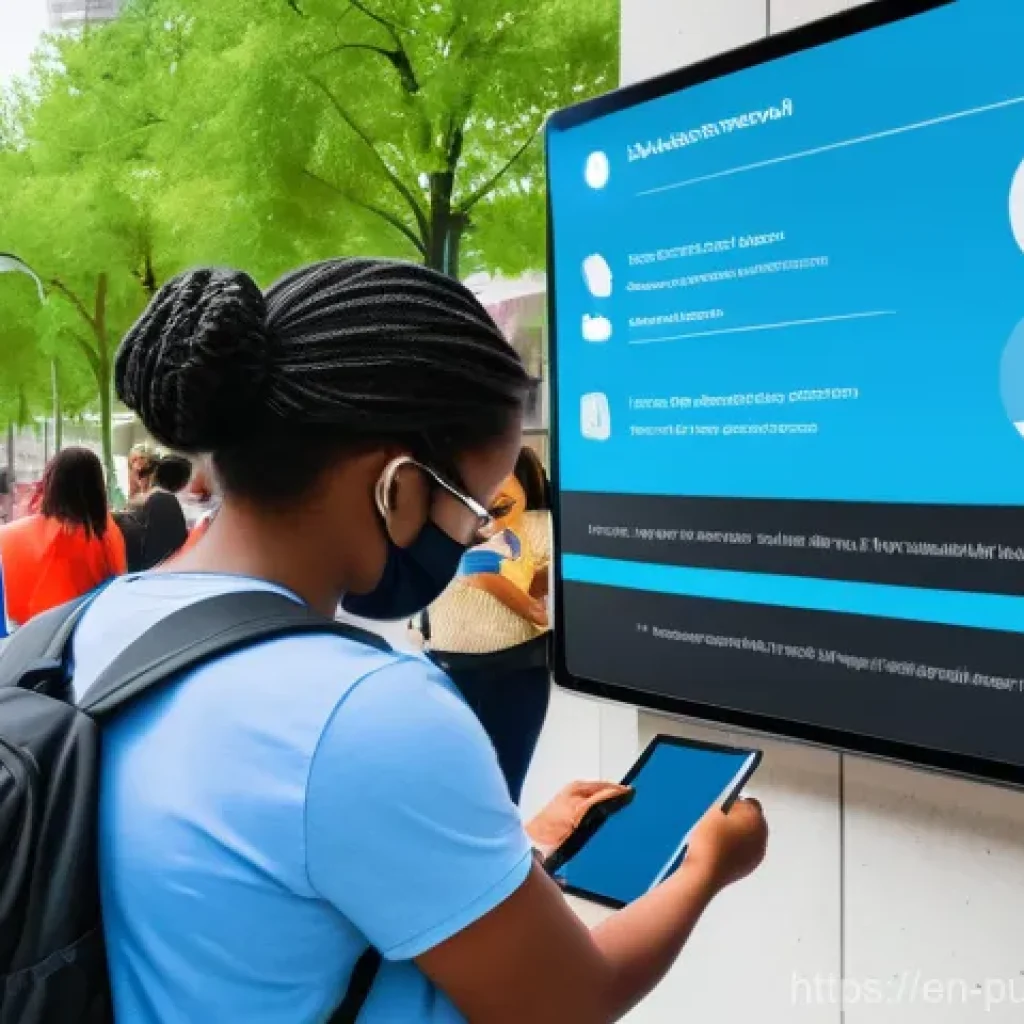
Honestly, when I first started exploring the digital transformation in public management, one of the areas that truly captivated me was how governments are finally getting serious about engaging with us, the citizens, in meaningful ways. It’s not just about setting up a basic website anymore; we’re witnessing a complete overhaul in how public services interact with the people they serve. Think about it: remember those long, frustrating queues at government offices, or trying to find a specific form only to get lost in a labyrinth of outdated web pages? Well, those days are slowly but surely becoming a distant memory thanks to innovative digital platforms. I’ve personally seen how cities are rolling out user-friendly apps that allow you to report a pothole with a simple snap of your phone, apply for permits from your living room, or even get real-time updates on local projects that matter to you. This isn’t just about convenience; it’s about building trust and making government truly accessible, breaking down barriers that have existed for far too long. When I used one of these new city apps to track the progress of a community park renovation, I was genuinely impressed by the transparency and ease of access to information. It felt like my voice, and the voices of my neighbors, were finally being heard and acted upon efficiently.
The Seamless Digital Front Door
Creating a truly seamless digital front door means making every interaction with public services as smooth and intuitive as ordering your favorite coffee online. It’s about more than just putting forms on a website; it’s about integrating various services so that citizens don’t have to jump through hoops or re-enter the same information repeatedly across different departments. I’ve noticed a significant push towards consolidated portals where you can manage everything from your property taxes to your pet’s license in one go. For instance, some forward-thinking municipalities are even using AI-powered chatbots to answer common questions 24/7, guiding users to the exact resources they need without the frustration of navigating complex menus or waiting on hold. This not only dramatically improves the user experience but also frees up public servants to focus on more complex issues, leading to a win-win for everyone involved. The convenience factor alone is a game-changer for busy individuals and families.
Empowering Voices Through Participatory Platforms
Beyond transactional services, the most exciting development for me has been the rise of truly interactive and participatory platforms. These aren’t just suggestion boxes; they’re dynamic digital spaces where citizens can actively contribute to policy-making, urban planning, and community development. I’ve seen examples where cities use dedicated online forums or specialized apps to solicit feedback on new zoning laws, gather ideas for public art installations, or even crowdsource solutions for local challenges like traffic congestion. The beauty of these platforms lies in their ability to democratize decision-making, giving every resident a seat at the table, regardless of their schedule or ability to attend in-person meetings. It fosters a much deeper sense of ownership and community engagement. My personal take? When people feel genuinely heard and see their input reflected in tangible outcomes, it revitalizes civic pride and builds a much stronger, more cohesive community.
The Power of Data and AI in Proactive Governance
Let’s talk about something truly transformative: the way data and artificial intelligence are revolutionizing public management. For years, government operations often felt reactive, like they were always playing catch-up. A problem would emerge, and then efforts would begin to address it. But what I’ve seen firsthand, and what genuinely excites me, is how public sector agencies are now leveraging massive amounts of data and sophisticated AI algorithms to become incredibly proactive. It’s like they’re developing a sixth sense for community needs and potential issues, often before they even fully manifest. Imagine a city that can predict which neighborhoods are most likely to experience a power outage during a storm, or identify areas prone to increased crime rates based on various socio-economic indicators. This isn’t science fiction anymore; it’s happening right now, making our communities safer, more efficient, and crucially, more resilient. I recall reading about a smart city initiative where AI analyzed traffic patterns and weather data to dynamically adjust traffic light timings, significantly reducing congestion during peak hours. That’s the kind of smart, data-driven solution that makes a tangible difference in daily life.
Predicting Needs Before They Arise
The ability to predict future trends and potential problems is arguably one of the most impactful applications of AI in public management. We’re talking about everything from forecasting healthcare demands in specific demographics to anticipating infrastructure maintenance needs before a critical failure occurs. Public agencies are collecting and analyzing vast datasets—everything from historical service requests and demographic shifts to environmental sensors and social media sentiment. AI models can then crunch these numbers to identify patterns and anomalies, providing invaluable insights. This means resources can be allocated much more strategically, preventative measures can be put in place, and emergency responses can be pre-positioned. I recently heard a story about a local council using predictive analytics to identify areas with a high risk of localized flooding, enabling them to clear drains and distribute sandbags to vulnerable residents ahead of heavy rainfall, completely averting a potential disaster. That’s not just good management; it’s genuinely life-saving.
Streamlining Services with Intelligent Automation
Beyond prediction, AI and automation are also working wonders in streamlining the day-to-day operations of public services. Think about all those repetitive, administrative tasks that consume so much time and manpower. Robotic Process Automation (RPA), powered by AI, is now handling everything from processing routine applications and verifying eligibility for benefits to managing vast archives of documents. This isn’t about replacing people; it’s about freeing up human talent to focus on more complex, empathetic, and strategic work that truly requires human judgment and interaction. I’ve seen departments drastically cut down on processing times for things like business licenses or social security applications, which means citizens get the services they need faster and with less hassle. It’s a game-changer for efficiency and, frankly, it makes the entire bureaucratic process a lot less intimidating for everyone involved.
Building Smarter Cities: Beyond the Buzzwords
When people talk about “smart cities,” it often sounds like a futuristic concept, something out of a sci-fi movie. But what I’ve personally experienced and observed is that the real magic of smart cities lies not just in flashy gadgets, but in the intelligent integration of technology to solve everyday problems and genuinely improve urban living. It’s about making our cities more livable, sustainable, and responsive to the needs of their inhabitants. From managing traffic flow to optimizing waste collection, and from improving public safety to conserving energy, smart city initiatives are taking a holistic approach. It’s about creating an interconnected ecosystem where data flows freely (and securely!) between different urban systems, allowing for real-time adjustments and long-term strategic planning. I remember visiting a city where smart sensors in public parks would signal when trash bins were full, optimizing collection routes and reducing fuel consumption. It’s these practical, impactful innovations that truly make a difference.
Integrated Urban Management Systems
At the heart of any truly smart city lies a sophisticated, integrated urban management system. This isn’t just a collection of disparate technologies; it’s a unified platform that brings together data from countless sources – traffic cameras, air quality sensors, public transportation feeds, utility grids, and more. This centralized hub allows city managers to gain a comprehensive, real-time overview of urban operations. Imagine a dashboard where you can see live traffic conditions, energy consumption, and even emergency response times all in one place. This integration enables much faster, more informed decision-making during crises and allows for optimized resource allocation on a daily basis. My own observation is that these systems transform a patchwork of services into a cohesive, intelligent network, making the entire urban environment more efficient and resilient. It’s moving from reactive problem-solving to proactive, data-driven orchestration of city life.
Sustainable Infrastructure Through Tech
One of the most compelling aspects of smart city development, to me, is its profound impact on sustainability. Technology is providing powerful tools to build and manage infrastructure in ways that are far more environmentally friendly and resource-efficient. We’re talking about smart streetlights that adjust their brightness based on ambient light and pedestrian presence, significantly cutting down on energy waste. Or consider intelligent water management systems that use sensors to detect leaks in real-time, preventing massive water loss. There are even pilot programs for smart grids that dynamically balance electricity supply and demand, integrating renewable energy sources more effectively. These technological advancements aren’t just about saving money; they’re about creating a healthier planet for future generations. It’s inspiring to see how innovation is directly contributing to a greener, more sustainable urban future, one smart solution at a time.
Securing Public Services with Blockchain’s Promise
Now, let’s dive into a technology that often gets a lot of buzz in the financial world, but is increasingly showing incredible promise in public management: blockchain. When I first heard about blockchain being used in government, I admit I was a bit skeptical. It sounded overly complex for everyday public services. However, after really digging into it and seeing some brilliant implementations, I’m convinced it holds immense potential for enhancing security, transparency, and trust in how public services operate. The fundamental idea of a distributed, immutable ledger means that records, transactions, and data can be stored in a way that’s incredibly secure and resistant to tampering. This is crucial for public services where data integrity and public trust are absolutely paramount. Imagine a voting system where every vote is securely recorded on a blockchain, ensuring complete transparency and preventing fraud. That’s the kind of transformative power we’re talking about. I’ve seen discussions around using it for land registries, identity management, and even supply chain transparency for public procurement, and the implications are truly exciting for a more trustworthy government.
Enhancing Trust and Transparency
One of the biggest challenges public institutions face is maintaining citizen trust, especially in an age of skepticism and misinformation. This is where blockchain shines brilliantly. By providing a transparent, verifiable, and tamper-proof record of transactions and data, blockchain can significantly bolster public confidence. For example, if a public agency uses blockchain to track the allocation of disaster relief funds, every citizen could theoretically verify how funds are being spent, ensuring accountability and minimizing corruption. This level of transparency isn’t just theoretical; it’s a tangible benefit that can fundamentally change the relationship between government and governed. My personal feeling is that when people can visibly see that processes are fair and data is accurate, it builds a foundation of trust that is absolutely essential for a healthy society. It’s like having an impartial digital auditor constantly overseeing every critical public operation.
Protecting Citizen Data with Distributed Ledgers

In our increasingly digital world, the security of personal data is a constant concern, and public agencies hold some of the most sensitive information about us. Blockchain offers a robust solution for enhancing data security. Instead of storing all data in a single, centralized database (which can be a prime target for cyberattacks), blockchain distributes encrypted data across a network. This makes it incredibly difficult for malicious actors to compromise the entire system. Furthermore, the cryptographic nature of blockchain ensures that data integrity is maintained, meaning any attempt to alter a record would be immediately detectable. I’ve been fascinated by pilot projects exploring blockchain for secure digital identity management, where individuals would have greater control over their own data and who can access it. It represents a paradigm shift from vulnerable centralized systems to a more secure, citizen-centric approach to data management. The peace of mind that comes with knowing your sensitive information is protected by such a resilient technology is invaluable.
From Bureaucracy to Agility: Transforming Operations
Let’s be honest, the word “bureaucracy” often conjures images of slow processes, endless paperwork, and a general lack of flexibility. But what I’ve been witnessing in public management is a determined effort to shed this old skin and embrace a new era of agility and responsiveness. It’s not an easy task, mind you, as these are massive organizations with deep-seated traditions. However, the push for modernization, driven by technological advancements and a genuine desire to serve better, is creating real change. This shift involves re-thinking everything from internal workflows and communication methods to how public servants are trained and equipped. The goal is to move from rigid, hierarchical structures to more dynamic, adaptable operating models that can quickly respond to evolving challenges and citizen needs. I’ve spoken with countless public sector professionals who are enthusiastically adopting new digital tools to make their daily jobs more efficient and impactful, proving that the appetite for change is definitely there.
Modernizing Internal Workflows
A huge part of transforming public operations is streamlining internal workflows that have often been convoluted and paper-heavy. Think about how many steps were traditionally involved in approving a simple budget request or processing an employee’s benefits. Today, digital workflow automation tools are dramatically cutting down these complexities. From intelligent document management systems that reduce reliance on physical files to integrated project management software that improves team collaboration, technology is making government work smarter. I’ve personally seen how these changes reduce administrative burdens, allowing public servants to dedicate more time to their core missions and less time to tedious, repetitive tasks. It also improves accountability, as every step of a process can be digitally tracked and audited, making it easier to identify bottlenecks and optimize performance. It truly feels like a breath of fresh air for many who have been bogged down by inefficient systems for years.
Embracing Cloud Solutions for Flexibility
Another monumental shift I’ve observed is the widespread adoption of cloud computing within public sector agencies. For a long time, there was understandable caution about moving sensitive government data to the cloud. However, with advancements in cloud security and compliance, more and more agencies are realizing the immense benefits. Cloud solutions offer unparalleled flexibility, scalability, and cost-efficiency. Instead of investing heavily in and maintaining their own on-premise servers, governments can leverage secure, robust cloud infrastructure, allowing them to scale up services rapidly during times of high demand (like during a pandemic or natural disaster) and scale back down when needs decrease. This elasticity is something traditional IT infrastructure simply can’t match. I’ve seen smaller municipalities, in particular, benefit enormously from cloud-based solutions, gaining access to sophisticated tools and capabilities that would have been financially out of reach just a few years ago. It’s democratizing access to cutting-edge technology for public good.
| Technology | Key Public Sector Application | Tangible Benefit for Citizens |
|---|---|---|
| Artificial Intelligence (AI) | Predictive analytics for urban planning, automated chatbots for citizen services | Faster service, proactive problem solving (e.g., traffic management, emergency response) |
| Blockchain | Secure land registries, transparent voting systems, identity management | Enhanced trust, immutable records, greater data security and privacy |
| Internet of Things (IoT) | Smart sensors for infrastructure monitoring, environmental quality, waste management | Improved public safety, environmental sustainability, efficient resource allocation |
| Cloud Computing | Scalable IT infrastructure, centralized data storage, collaborative platforms | Increased accessibility of services, cost-efficiency, rapid deployment of new solutions |
| Digital Engagement Platforms | Online citizen portals, participatory budgeting tools, public feedback systems | Empowered voices, greater transparency, direct influence on policy and projects |
Navigating the Ethical Landscape of Government Tech
As much as I’m thrilled about the potential of technology to transform public management, I’ve also spent a lot of time pondering the ethical considerations that come with such powerful tools. It’s not enough to simply adopt new tech; we have a profound responsibility to ensure these innovations are used justly, fairly, and inclusively. The excitement of new capabilities must always be tempered with careful thought about their societal impact. We’re dealing with algorithms that can influence critical decisions, data that can reveal intimate details about citizens, and systems that can either empower or disenfranchise. Therefore, I truly believe that constant vigilance and robust ethical frameworks are absolutely non-negotiable as we push forward. It’s a complex balancing act, ensuring innovation thrives while fundamental rights and values are protected. I often find myself thinking about how important it is for public sector leaders to not just understand the technical aspects, but also the philosophical and ethical implications of the tools they deploy.
Ensuring Fairness and Algorithmic Bias
One of the most pressing ethical concerns with AI and advanced analytics in government is the potential for algorithmic bias. If the data used to train AI models reflects existing societal biases or historical inequities, the AI itself can inadvertently perpetuate or even amplify those biases. This could lead to unfair outcomes in areas like criminal justice, social services, or even resource allocation. For example, an algorithm designed to predict recidivism might disproportionately flag certain demographic groups due to historical biases in policing data. This is why I advocate so strongly for rigorous oversight, diverse data sets, and transparent algorithm design. Governments need to actively audit their AI systems for bias, ensuring that they are equitable and do not discriminate against any segment of the population. It’s a challenge, yes, but one that absolutely must be met with deliberate and proactive measures to truly serve all citizens fairly.
The Imperative of Digital Inclusion
As public services become increasingly digital, there’s a crucial ethical imperative to ensure that no one is left behind. We often talk about the “digital divide,” and it’s a very real concern. Not everyone has reliable internet access, a smartphone, or the digital literacy skills necessary to navigate complex online platforms. If governments transition too quickly to digital-only services without providing alternatives or support, they risk disenfranchising vulnerable populations, including the elderly, low-income communities, and individuals with disabilities. My personal experience has shown me that true progress means making sure technology serves *everyone*. This means investing in public access points, providing digital literacy training, and maintaining robust offline alternatives for essential services. It’s about ensuring that the convenience and efficiency of digital government are a benefit to all, not just those who are already digitally savvy. In my view, digital inclusion is not just a nice-to-have; it’s a fundamental component of equitable public management.
Wrapping Things Up
Honestly, reflecting on all these incredible advancements, it’s truly inspiring to see how technology is reshaping the very fabric of public service. From my perspective, having watched these changes unfold, it feels like we’re on the cusp of a golden age for citizen engagement and efficient governance. It’s no longer a distant dream but a tangible reality where our cities are smarter, our services are more accessible, and our voices are genuinely heard. This journey from traditional bureaucracy to agile, tech-driven public management isn’t just about efficiency; it’s about fostering deeper trust and building communities where everyone feels connected and valued. I truly believe that by embracing these tools thoughtfully and ethically, we can create a future where government truly works for all of us, making our daily lives smoother and our collective future brighter.
Handy Tips You’ll Want to Bookmark
1. Get Involved Digitally: Don’t just complain from the sidelines! Explore your local government’s website and apps. Many now offer direct channels to report issues, suggest ideas, or participate in surveys. Your input genuinely matters and contributes to better public services, so take a few minutes to engage. I’ve personally found that the easier it is to submit feedback, the more likely I am to do it, and those direct lines of communication are invaluable.
2. Understand Your Data Privacy: As governments collect more data, it’s crucial to know how your information is being used and protected. Look for transparency policies on official sites and understand your rights. If you’re ever unsure, don’t hesitate to reach out to your local privacy commissioner or relevant department for clarification. It’s empowering to be informed and proactive about your digital footprint.
3. Look Beyond the Buzzwords in Smart Cities: When you hear “smart city,” think about practical applications that solve real problems, not just futuristic gadgets. Is it improving traffic, waste management, or public safety in your area? Focus on tangible benefits and local impact, which is where the real value lies, rather than just the flashiest tech demonstrations. I’ve seen many projects that sound amazing on paper but fall short on practical utility.
4. Advocate for Digital Inclusion: Remember that not everyone has equal access to technology. If you notice a friend, neighbor, or family member struggling with digital government services, offer to help or point them to local resources. Supporting initiatives for public Wi-Fi, digital literacy programs, and accessible online platforms helps ensure that no one is left behind in this digital transformation. It’s a collective responsibility.
5. Stay Informed About Ethical Tech Use: Keep an eye on discussions around AI ethics, data bias, and surveillance in public services. Governments should be held accountable for using these powerful tools responsibly. By staying informed and raising questions, you contribute to a more just and equitable implementation of technology that truly serves all citizens, protecting fundamental rights in the digital age.
Key Takeaways
The landscape of public management is rapidly evolving, driven by transformative digital tools. We’re seeing a fundamental shift towards enhanced citizen engagement through user-friendly digital platforms, making government services more accessible and transparent. The strategic application of data and AI is empowering proactive governance, allowing cities to predict needs and streamline operations for greater efficiency and improved public safety. Smart city initiatives are integrating technology to create more sustainable and livable urban environments, moving beyond mere concepts to deliver tangible improvements in daily life. Furthermore, blockchain technology promises to bolster trust and security in public records and data, offering an immutable and transparent foundation. This monumental shift towards agility and innovation in public services, however, necessitates a vigilant focus on ethical considerations, particularly concerning algorithmic fairness and ensuring comprehensive digital inclusion for all citizens. It’s an exciting time, demanding both innovation and thoughtful implementation for a truly inclusive future.
Frequently Asked Questions (FAQ) 📖
Q: uestions
A: bout Public Management Transformation
Q: How are these “smart tools” and new technologies actually making a tangible difference in our daily lives as citizens? I mean, beyond just sounding good, what do they really do for us?
A: Oh, this is such a fantastic question, and it’s where the rubber really meets the road, isn’t it? From my own observations and delving into case studies, these technologies are quietly, yet powerfully, streamlining so many things we interact with every day.
Think about how many cities are now deploying smart traffic management systems. Instead of just static lights, these systems use AI and real-time data from sensors to optimize traffic flow, which means less time stuck in gridlock for you and me, and even faster response times for emergency services.
I’ve personally noticed a huge difference in my commute when I visit cities that have adopted these! Beyond traffic, many local governments are rolling out citizen-centric digital services – things like online portals or mobile apps where you can pay fees, report issues like potholes (goodbye, endless phone calls!), or apply for permits with just a few taps.
It’s like having a government office that’s open 24/7, right in your pocket. Plus, with the rise of IoT (Internet of Things) devices, we’re seeing better waste management and more efficient public utilities, sometimes even leading to cost savings that can benefit taxpayers down the line.
It’s truly about making those frustrating bureaucratic hurdles melt away and giving us more direct, immediate ways to engage and get things done.
Q: What are some of the biggest hurdles governments face when trying to implement these exciting new technologies, and how are they working to overcome them?
A: You’ve hit on a really critical point here! While the potential is huge, implementing these transformations isn’t a walk in the park. One of the biggest challenges I consistently hear about is dealing with outdated “legacy” systems.
Imagine trying to plug a brand-new, super-fast electric car charger into a 1950s electrical grid – it just doesn’t quite work! Many government agencies are still running on decades-old IT infrastructure, which makes integrating cutting-edge AI or robust cloud solutions incredibly complex and costly.
Then there’s the human element: resistance to change from employees who might fear job displacement or just feel overwhelmed by new skill requirements.
And let’s not forget budget constraints; digital transformation requires significant investment in new tech, infrastructure, and training. So, how are they tackling this?
I’ve seen some really smart approaches. Many are opting for phased rollouts, introducing new systems incrementally rather than trying to do everything at once.
This allows for troubleshooting and gradual adaptation. There’s also a big push for upskilling programs for staff, helping them embrace new digital tools and become part of the solution rather than feeling left behind.
Governments are also prioritizing building public trust through transparency, being really clear about how new technologies, especially AI, are used and ensuring data privacy is rock-solid.
It’s a marathon, not a sprint, but the commitment to overcoming these challenges is definitely there because the benefits are just too immense to ignore.
Q: Beyond
A: I and blockchain, what other lesser-known, yet powerful, technological innovations should we be keeping an eye on that are set to transform public management?
A3: Excellent question! While AI and blockchain grab a lot of headlines, there are other incredible innovations brewing that are truly changing the game.
I’m particularly fascinated by the rise of the Internet of Things (IoT), especially in the context of smart cities. We’re talking about a vast network of interconnected sensors and devices that can monitor everything from air quality and water levels to energy consumption in real-time.
This isn’t just cool tech; it provides governments with unprecedented data to make informed decisions about resource allocation, environmental sustainability, and even predictive maintenance for infrastructure before things break down.
Think about cities using IoT to manage traffic signals dynamically, reducing congestion and pollution! Another area that’s quietly making a huge impact is Robotic Process Automation (RPA).
While it sounds a bit sci-fi, RPA is essentially software robots automating repetitive, rule-based administrative tasks, freeing up human staff to focus on more complex, citizen-facing issues.
I’ve seen firsthand how automating things like form processing or data entry can drastically cut down on paperwork and speed up service delivery. And let’s not overlook the continuous evolution of Cloud Computing.
It might not sound as flashy, but scalable, secure cloud platforms are the backbone enabling so many of these other technologies, offering governments unprecedented flexibility, cost efficiency, and improved data security.
It’s like building a solid, future-proof foundation for all the dazzling innovations to stand upon. These “behind-the-scenes” technologies are absolutely vital to the transformation we’re seeing!