
Hey there, public service enthusiasts! Have you felt the undeniable shift happening in public administration lately? It’s not just about policy and paperwork anymore; we’re talking about a whole new landscape shaped by cutting-edge technology, vast amounts of data, and constantly evolving citizen expectations.
I’ve personally been diving deep into what this means for our careers, and let me tell you, the opportunities for innovation and impact are absolutely thrilling.
If you’re wondering how to stay relevant, embrace these changes, and truly thrive in this dynamic environment, you’re in the right place. Let’s unpack the most exciting trends shaping public administration today and see what the future holds!
Embracing the AI Revolution: Smarter Services, Happier Citizens
Okay, let’s just be real for a moment. Artificial Intelligence isn’t some futuristic concept anymore; it’s here, it’s now, and it’s shaking up public administration in ways we couldn’t have imagined even a few years ago. I remember when “digital transformation” mostly meant getting a website up! Now, we’re talking about AI streamlining everything from permit applications to predicting urban planning needs. It’s truly incredible. For me, diving into this space has been an eye-opener. I’ve personally seen how well-implemented AI can cut through bureaucratic red tape, freeing up staff to tackle more complex, human-centric issues. The potential for efficiency gains is monumental, and it’s not just about cutting costs; it’s about delivering genuinely better services that feel less like a chore and more like a helpful interaction. Think about it: quicker responses, personalized information, and even proactive problem-solving before citizens even know there’s an issue. It really shifts our focus from reactive problem-solving to proactive community building, and honestly, that’s where the real excitement lies for me.
AI-Powered Decision Making: From Gut Feelings to Data-Driven Insights
Remember the good old days when decisions were often based on a mix of experience, intuition, and perhaps a hefty dose of political maneuvering? Well, while human wisdom will always be vital, AI is bringing a powerful new layer to the table: truly data-driven insights. I’ve been fascinated watching how agencies are using AI to analyze vast datasets – everything from traffic patterns to public health trends – to make more informed, equitable, and effective policy choices. It’s not about replacing human judgment, but enhancing it. For example, imagine using AI to optimize bus routes based on real-time ridership data, or predicting potential areas for increased crime before incidents even occur. The possibilities are endless, and it’s enabling us to move past guesswork and towards solutions that are genuinely backed by evidence. This shift towards intelligent decision-making is empowering public servants to tackle complex societal challenges with a precision and foresight that was previously unattainable, leading to more impactful outcomes for our communities.
Automating Mundane Tasks: Giving Public Servants Their Time Back
Let’s be honest, a significant chunk of public service work has traditionally involved repetitive, time-consuming administrative tasks. Think about processing endless forms, answering FAQs, or routing calls. While these are necessary, they can certainly zap the energy out of even the most dedicated public servant. This is where AI truly shines! My personal experience has shown me that by automating these mundane processes – through things like chatbots handling initial inquiries or AI-powered systems reviewing basic applications – we’re not just saving money; we’re giving our incredible public servants the gift of time. Time to focus on complex cases, engage in deeper citizen interactions, and innovate. I’ve heard countless colleagues express how this automation has lightened their workload and allowed them to concentrate on the truly meaningful aspects of their jobs. It’s a win-win: citizens get faster, more consistent service, and our dedicated public servants can finally focus their talents where they’re most needed, leading to greater job satisfaction and a more productive workforce overall.
The Human-Centered Revolution: Crafting Public Services for Real People
For so long, public services often felt like they were designed for the system, not for the people using them. Long queues, complicated forms, confusing jargon – sound familiar? Thankfully, we’re now in the midst of a beautiful shift towards truly human-centered design in public administration. This isn’t just a buzzword; it’s a fundamental change in how we approach our work. It means genuinely listening to citizens, understanding their needs and pain points, and then crafting services that are intuitive, accessible, and empathetic. I’ve personally been involved in projects where we brought citizens into the design process from day one, and the difference is palpable. When you co-create solutions with the very people you aim to serve, you end up with something infinitely more effective and appreciated. It’s about building trust and proving that government isn’t just a faceless bureaucracy, but a responsive partner in community well-being. This empathetic approach is not just a trend, but a foundational principle for building a more connected and responsive public sector.
Co-creation with Citizens: Designing Solutions Together
Gone are the days when public agencies operated in silos, making decisions behind closed doors without much input from the community. One of the most exciting aspects of this human-centered revolution is the rise of co-creation. This means actively involving citizens, community groups, and even private sector partners in the design and delivery of public services. I’ve found that when you open up these processes, you tap into an incredible wellspring of innovation and practical wisdom. It’s not always easy, as it requires genuine openness and a willingness to adapt, but the rewards are immense. For example, think about community workshops shaping the design of a new park or citizens’ juries helping to refine a public health campaign. When people feel heard and see their contributions reflected in the outcomes, it fosters a deeper sense of ownership and satisfaction. It’s a powerful way to ensure that policies and services truly meet the diverse and evolving needs of our communities, leading to better public buy-in and more sustainable results.
Accessibility and Inclusivity: Services for Everyone
If we’re truly committed to human-centered public administration, then accessibility and inclusivity absolutely must be at the forefront of everything we do. It’s not just about ticking boxes; it’s about ensuring that every single person, regardless of their background, ability, or circumstances, can easily access and benefit from public services. This has been a huge focus for me personally, advocating for digital platforms that meet rigorous accessibility standards and ensuring that information is available in multiple languages and formats. I’ve witnessed firsthand the frustration and exclusion that can arise when services aren’t designed with everyone in mind. From ensuring that government websites are screen-reader friendly to providing clear, simple language in all communications, every detail matters. It’s about breaking down barriers and actively reaching out to marginalized communities, understanding their unique challenges, and tailoring our approaches to truly serve them. When we design for the most vulnerable, we often create better services for everyone, fostering a more equitable and just society.
Data as a Public Asset: Unlocking Insights for Community Good
We’re swimming in data these days, aren’t we? And in public administration, that data isn’t just about spreadsheets and statistics; it’s a goldmine of information that can transform how we understand and serve our communities. I’ve often felt like we’ve only just scratched the surface of what’s possible when we treat data as a public asset, something to be responsibly leveraged for the common good. From anonymized public health records helping to predict disease outbreaks to urban mobility data informing better infrastructure planning, the insights are truly powerful. My own journey into understanding data analytics has shown me that it’s not about becoming a data scientist overnight, but about fostering a culture where data literacy is valued and ethical data governance is paramount. It’s about moving beyond simply collecting data to actively analyzing it, interpreting its stories, and using those narratives to drive meaningful policy changes that genuinely improve quality of life for residents. The future of public service is inextricably linked to our ability to harness this information responsibly and effectively.
Ethical Data Governance: Building Trust in a Data-Rich World
With great data comes great responsibility, right? As we increasingly rely on vast datasets to inform public policy and deliver services, the ethical implications become absolutely critical. This isn’t just a theoretical discussion for me; it’s a practical challenge we face daily. How do we ensure privacy? How do we prevent bias in algorithms? How do we maintain transparency when using complex data models? These are questions that demand robust ethical frameworks and clear governance policies. I’ve learned that building public trust in our use of data is paramount. It means being open about what data we collect, how it’s used, and what safeguards are in place to protect individual rights. It also means actively auditing our systems for unintended biases and committing to continuous improvement. Failing to address these ethical considerations could erode public confidence, no matter how beneficial the data-driven outcomes might seem. This commitment to ethical data use is the cornerstone of responsible public innovation.
From Raw Numbers to Actionable Intelligence: The Power of Visualization
Let’s face it, raw data can be incredibly daunting, even for those of us who work with it regularly. Pages of numbers and statistics can quickly become overwhelming, obscuring the valuable insights hidden within. This is why the ability to transform raw numbers into actionable intelligence, often through powerful data visualizations, has become such a game-changer in public administration. I’ve personally seen how a well-designed dashboard or an intuitive infographic can suddenly make complex trends accessible to policymakers, stakeholders, and even the general public. It’s about telling a compelling story with data. Instead of just presenting figures on homelessness, imagine a visual map showing concentrations, demographic breakdowns, and the impact of intervention programs. This clarity empowers quicker, more informed decision-making and fosters greater public understanding and engagement. It’s a skill that I believe every public servant needs to cultivate – the ability to communicate data effectively to drive real change.
Agile Governance: Adapting to a World of Constant Change
If there’s one thing the last few years have taught us, it’s that the world is incredibly unpredictable. Public administration, traditionally known for its stability and methodical processes, is now finding itself needing to be more nimble and responsive than ever before. This is where the concept of agile governance really excites me. It’s about moving away from rigid, multi-year plans that might be outdated before they’re even implemented, and instead adopting a more flexible, iterative approach. Think about it: small, experimental projects, continuous feedback loops, and a willingness to pivot quickly when something isn’t working. I’ve personally seen how this shift can cut down development times dramatically and lead to solutions that are far more relevant and effective for citizens. It’s a mindset change, moving from a fear of failure to embracing learning and adaptation. This agility isn’t about being chaotic; it’s about building resilience and ensuring that our public services can keep pace with the rapidly evolving needs of our communities, regardless of what challenges might emerge next.
Iterative Policy Development: Small Steps, Big Impact
Traditional policymaking often involved lengthy research, extensive consultations, and then the rollout of a fully formed policy, sometimes with unforeseen consequences. Agile governance introduces the concept of iterative policy development, which I’ve found to be incredibly powerful. Instead of trying to get it perfect the first time, this approach advocates for developing policies in smaller, manageable stages, testing them, gathering feedback, and then refining them. It’s like a continuous improvement cycle, allowing us to learn and adapt as we go. For instance, launching a pilot program in a limited area, evaluating its impact, and then scaling it up with necessary adjustments. This not only reduces the risk associated with large-scale policy changes but also ensures that policies are more responsive to real-world conditions. My experience has shown that this iterative process leads to more effective and sustainable policies because they are grounded in practical experience and constant citizen feedback.
Rapid Prototyping Public Services: Test, Learn, Refine
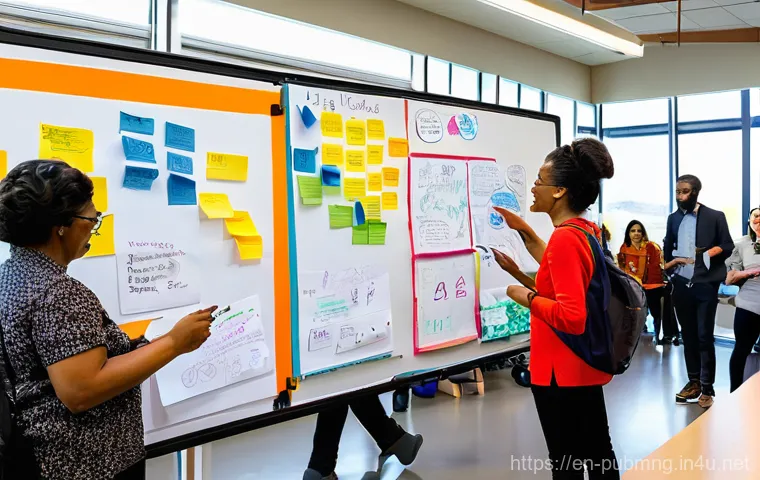
The idea of rapid prototyping, once confined mostly to the tech world, is now making significant inroads into public service design, and I couldn’t be more thrilled. It’s all about quickly creating low-fidelity versions of a service or solution, putting them in front of users, and gathering immediate feedback. This could be anything from a paper prototype of a new online form to a simulated version of a new citizen portal. I’ve been involved in sessions where we literally drew out user journeys on whiteboards, and it was incredible how much we learned even before writing a single line of code or finalizing a single policy document. This “fail fast, learn faster” mentality is a breath of fresh air, helping us avoid investing significant resources into solutions that might not ultimately meet citizen needs. It accelerates innovation, reduces waste, and ensures that the services we deliver are truly user-friendly and effective, reflecting a deep understanding of what citizens truly want and need.
Building Trust in the Digital Age: Transparency, Security, and Open Government

In a world awash with information – and unfortunately, misinformation – building and maintaining public trust is more crucial than ever for public administration. The digital age, with all its benefits, also brings new challenges to trust, particularly around data privacy and security. I’ve personally felt the weight of this responsibility when discussing digital initiatives with community members. It’s not enough to just deliver efficient services; we also need to assure citizens that their data is safe, their voices are heard, and their government is operating with integrity. This means doubling down on principles of transparency, ensuring robust cybersecurity measures, and actively promoting open government practices. When citizens feel they can understand government processes, see how decisions are made, and trust that their information is protected, it creates a much stronger foundation for effective governance and community engagement. It’s an ongoing effort, a constant conversation, but absolutely essential for thriving in this modern landscape.
Cybersecurity as a Foundational Pillar: Protecting Public Data
Let’s be blunt: in today’s interconnected world, cybersecurity isn’t an optional add-on; it’s a non-negotiable, foundational pillar of public administration. The sheer volume of sensitive personal and strategic data held by public agencies makes us prime targets for malicious actors. My experience has taught me that investing in robust cybersecurity infrastructure, comprehensive training for staff, and regular system audits isn’t just a technical requirement; it’s a fundamental promise to our citizens. We’re talking about everything from protecting voter registration records to safeguarding health data and ensuring the uninterrupted delivery of essential services. A single breach can not only have devastating financial consequences but can profoundly shatter public trust, which is incredibly difficult to rebuild. This means proactive threat detection, rapid response protocols, and a culture of security awareness across every level of government. Protecting public data is safeguarding public trust, and that, to me, is paramount.
Open Government Principles: Fostering Transparency and Accountability
For too long, government operations have sometimes been perceived as opaque, leaving citizens feeling disconnected from the decision-making processes that affect their lives. The rise of open government principles is a powerful counter-movement, aiming to foster greater transparency, accountability, and citizen participation. This isn’t just about throwing information onto a website; it’s about making data accessible, understandable, and actionable. I’ve personally been a strong advocate for initiatives that open up government meetings, publish budgets in easily digestible formats, and create platforms for citizen feedback. When citizens can see how their tax dollars are being spent, understand the rationale behind policies, and have avenues to voice their opinions, it strengthens democratic engagement. It’s about empowering people with the knowledge they need to hold their government accountable and to participate meaningfully in shaping their communities. Transparency isn’t just good practice; it’s essential for a healthy, functioning democracy in the digital age.
Future-Proofing the Public Workforce: Skills for Tomorrow’s Challenges
The public administration landscape is changing so rapidly that the skills needed today might not be the same ones demanded tomorrow. It’s a bit like trying to hit a moving target, but an exciting one! For anyone in public service, or aspiring to be, future-proofing your skill set isn’t just a good idea; it’s absolutely essential for career longevity and impactful work. We’re seeing a shift from purely administrative roles to those requiring more strategic thinking, technological fluency, and adaptive problem-solving. I’ve personally found that the most valuable asset you can cultivate is a mindset of continuous learning – being curious, embracing new tools, and always looking for ways to improve. It’s not about becoming an expert in every single new technology, but about understanding their potential and knowing how to integrate them ethically and effectively into public service. This focus on evolving skills ensures that our public workforce remains dynamic, innovative, and ready to tackle whatever challenges the future throws our way.
Digital Literacy and Tech Fluency: Navigating the New Tools
The days when you could get by in public service with just basic office software are rapidly fading. Digital literacy and technological fluency are becoming as fundamental as reading and writing. I’m not talking about everyone becoming a coder, but about understanding how digital tools, platforms, and data analytics work and how they can be leveraged for public good. From using advanced mapping software for urban planning to understanding cloud-based collaboration tools, the tech landscape is vast. My own journey has involved actively seeking out training opportunities, whether through online courses or internal workshops, to stay updated. It’s about being comfortable with technology, not intimidated by it, and seeing it as an enabler rather than a barrier. This competency allows us to engage more effectively with digital transformation efforts, contribute to innovative solutions, and ultimately deliver more efficient and accessible services to citizens in an increasingly digital world.
Soft Skills for Hard Problems: Empathy, Collaboration, and Adaptability
While technical skills are undeniably important, I’ve found that the so-called “soft skills” are becoming even more critical when tackling the complex, multifaceted challenges facing public administration today. We’re talking about problems that don’t have easy answers, requiring collaboration across agencies, deep empathy for diverse communities, and an incredible amount of adaptability. My experience has shown me that the ability to communicate effectively, to build consensus among disparate groups, to lead with emotional intelligence, and to navigate ambiguity are absolutely invaluable. For instance, addressing issues like homelessness or climate change requires not just policy expertise but a profound capacity for empathy and multi-stakeholder collaboration. These aren’t skills you learn from a textbook; they’re developed through practice, self-reflection, and a genuine commitment to understanding different perspectives. They are the human element that no AI can ever truly replicate, making them central to the future of impactful public service.
Sustainable Governance: Building Resilient Communities for Generations
When we talk about public administration, we’re not just managing the present; we’re essentially stewards of the future. This is why the focus on sustainable governance and building resilient communities resonates so deeply with me. It’s about making decisions today that don’t compromise the well-being of future generations, encompassing environmental stewardship, economic vitality, and social equity. I’ve personally been involved in initiatives that seek to embed sustainability into every layer of policy-making, from procurement practices to urban development plans. It’s a holistic approach that recognizes the interconnectedness of our ecological, social, and economic systems. It means moving beyond short-term fixes and towards long-term, strategic thinking that addresses climate change, resource scarcity, and social inequality head-on. This commitment to sustainability isn’t just an admirable goal; it’s an absolute necessity for creating communities that can truly thrive in the face of evolving global challenges and provide a robust foundation for those who come after us.
Climate Action and Environmental Stewardship: Local Impact, Global Reach
The effects of climate change are no longer distant threats; they are tangible realities impacting communities right here and now. From extreme weather events to rising sea levels, public administrators are increasingly on the front lines of climate action. This isn’t just about international treaties; it’s about local policy and concrete actions. I’ve been inspired by how many local governments are taking proactive steps – investing in renewable energy, developing robust flood defenses, promoting sustainable transportation, and implementing aggressive waste reduction programs. My personal belief is that while the problem is global, the solutions often start at the local level, driven by dedicated public servants. It’s about integrating environmental stewardship into every aspect of governance, recognizing that a healthy planet is foundational to healthy communities and a robust economy. This commitment to climate action is not just a regulatory obligation; it’s a moral imperative for building a livable future.
Infrastructure for Resilience: Preparing for the Unforeseen
If there’s one thing we’ve learned, it’s that relying on outdated infrastructure in a rapidly changing world is a recipe for disaster. Building resilient communities means critically assessing and upgrading our physical and digital infrastructure to withstand unforeseen shocks – whether that’s a severe weather event, a cyberattack, or a public health crisis. I’ve seen firsthand the devastating impact when infrastructure fails, and it underscores the vital role of public administration in ensuring our communities are prepared. This means investing in smart grids, reinforcing critical transportation networks, building adaptive water management systems, and ensuring reliable digital connectivity. It’s about thinking ahead, anticipating vulnerabilities, and building a foundation that can bend but not break under pressure. My personal take is that this isn’t just about repairs; it’s about innovative design and strategic long-term planning that ensures our communities are robust, adaptable, and capable of recovering quickly from any challenge that comes their way.
| Trend Area | Key Focus | Impact on Public Service |
|---|---|---|
| Digital Transformation & AI | Automation, Data Analytics, Smart Services | Increased efficiency, data-driven decisions, improved citizen experience |
| Human-Centered Design | Citizen Engagement, Accessibility, Empathy | More effective, equitable, and trusted services |
| Data Governance | Ethical Use, Privacy, Transparency | Enhanced trust, informed policy-making, accountability |
| Agile Governance | Adaptability, Iterative Development, Rapid Prototyping | Responsive policy, quicker service delivery, innovation |
| Workforce Evolution | Digital Literacy, Soft Skills, Continuous Learning | Resilient workforce, greater innovation, career longevity |
| Sustainable Governance | Climate Action, Resilience, Equity | Future-proof communities, environmental protection, social well-being |
Wrapping Things Up
Whew! What a journey we’ve taken together, diving deep into the exciting, sometimes daunting, but ultimately incredibly promising world of modern public administration. It’s truly exhilarating to witness these transformations firsthand, isn’t it? From the precision of AI-powered decision-making to the heartwarming impact of human-centered service design, I genuinely feel like we’re on the cusp of a golden age for public services. For me, what really shines through is the dedication of so many individuals who are embracing these changes, not just for the sake of technology, but because they deeply care about creating better, more responsive, and more equitable communities. I’ve seen the sparks of innovation ignite and the genuine enthusiasm from people who realize that government can indeed be a force for truly positive, lasting change. It’s a collective effort, demanding our attention, our input, and our willingness to adapt, but the dividends in terms of public good are absolutely worth every bit of it. I’m truly optimistic about what we can build together.
Handy Insights You’ll Want to Bookmark
Alright, so we’ve covered a lot of ground, but sometimes it helps to distill everything down into those quick, actionable takeaways that you can keep in your mental toolkit. Think of these as my personal notes from countless conversations and observations in this evolving space. I’ve found these points to be especially useful, whether you’re a public servant, a curious citizen, or someone just looking to understand how their community is being shaped.
1. Embrace Lifelong Learning in a Changing Landscape: Seriously, if there’s one thing I can’t stress enough, it’s the power of continuous learning. The pace of change in technology and societal needs means that staying curious and open to new skills – especially digital literacy and critical thinking – isn’t just a bonus, it’s a necessity. I’ve seen incredible career growth happen when people commit to genuinely understanding the ‘why’ behind new tools and trends, not just the ‘how’.
2. Your Voice Truly Matters in Human-Centered Design: Don’t ever underestimate the impact of your feedback as a citizen. When public services are being re-imagined with a human-centered approach, they’re actively seeking input. I’ve seen how a single, well-articulated piece of user experience feedback can literally reshape an entire digital service, making it infinitely better for thousands. Get involved, share your experiences, and be part of the solution.
3. Demystify Data: It’s a Public Asset, Not a Secret: We hear “data” and sometimes our eyes glaze over, but it’s crucial to remember that this information is about *us* and *our communities*. It’s being used to make decisions that affect our daily lives. I always encourage people to understand how local governments are using data, ask questions about privacy and ethics, and advocate for transparent, accessible data reporting. It’s about empowerment, really.
4. Agility Isn’t Just for Startups; It’s for Government Too: When you see new initiatives or pilot programs rolled out, understand that this “test, learn, refine” approach is a sign of a more agile, responsive government. It’s a departure from the old “big bang” project launches. I’ve found that recognizing this iterative process helps manage expectations and allows us to appreciate that real-world problems rarely have perfect, one-shot solutions. Patience and constructive feedback are key.
5. Think Globally, Act Locally for Sustainability: Climate change and sustainability can feel like such enormous, overwhelming topics, but the incredible impact often starts at the local level. From your city’s recycling programs to its public transport investments, every local action contributes to a larger picture. I’ve personally tried to support businesses and initiatives that align with sustainable practices, and it truly makes a difference in building resilient communities for the long haul.
The Bottom Line
At the heart of all this innovation and transformation in public administration is a singular, powerful goal: to serve people better. My journey through this space has profoundly reinforced my belief that when we strategically harness the power of technology, commit to truly understanding human needs, safeguard data with integrity, embrace adaptability, and prioritize a sustainable future, we’re not just optimizing systems – we’re building stronger, more connected, and more resilient communities. It’s an exciting time to be engaged with public service, whether you’re working within it or simply benefiting from its evolution. Keep learning, keep questioning, and most importantly, keep believing in the power of collective effort to shape a truly incredible tomorrow. The future of public administration isn’t just about what *can* be done, but what we *choose* to do, together.
Frequently Asked Questions (FAQ) 📖
Q: So, what exactly are these “cutting-edge technologies” and “vast amounts of data” that are shaking things up in public administration? It sounds exciting, but also a bit overwhelming!
A: Oh, trust me, I completely get that feeling! It’s like standing at the edge of a new frontier, isn’t it? From what I’ve personally seen and experienced in my dives into this topic, it’s not just one big thing but several incredible advancements working together.
We’re talking about Artificial Intelligence (AI) and Machine Learning (ML) that can process mountains of information to help with everything from urban planning to predicting public health needs.
Think about how much faster and smarter we can be when AI sifts through data that would take humans ages! Then there’s the sheer volume of “big data” itself – social media insights, sensor data, digital transaction records – which, when analyzed correctly, gives us an unprecedented understanding of what citizens truly need and how policies are impacting them.
I’ve also been watching the rise of blockchain for greater transparency in government operations and the transformative power of cloud computing, making services more accessible and flexible.
It’s truly a game-changer for how public services are delivered, making them smarter, faster, and more responsive than ever before. It’s truly a thrilling time to be involved!
Q: For those of us working in public service, how can we truly “stay relevant” and not get left behind by all these rapid changes? What skills are becoming critical?
A: This is probably the question I hear most often, and it’s a super valid one! What I’ve found – and honestly, it’s been a bit of a personal journey for me too – is that it’s not about becoming a tech guru overnight, but about embracing a mindset of continuous learning and adaptability.
Data literacy is huge; you don’t need to be a data scientist, but understanding how to interpret data, ask the right questions, and leverage insights is becoming non-negotiable.
Digital fluency, of course, means being comfortable with new platforms and tools. But crucially, don’t forget the ‘human’ skills! Empathy, critical thinking, problem-solving, and collaboration are more important than ever because technology amplifies our ability to connect and serve.
I’ve personally seen how those who can bridge the gap between technical possibilities and human needs are the ones truly making waves. It’s about being open, curious, and willing to learn every single day.
Q: Beyond just staying relevant, what are the real opportunities for us to make a bigger “impact” and truly innovate in public administration now? How does this actually benefit citizens?
A: This is where it gets really exciting for me! From my perspective, these shifts aren’t just about efficiency; they’re about transforming how we serve the public for the better.
The opportunities for impact are immense! Imagine public services that are truly personalized and proactive – not just reactive. With better data insights, we can anticipate community needs, tailor services, and even prevent issues before they escalate.
Think about how a city can use predictive analytics to improve traffic flow, or how a local government can use AI to streamline applications, cutting down on wait times and frustration.
Citizens benefit from greater transparency and accountability too; blockchain, for example, can make government processes more open and trustworthy. What truly excites me is the potential for genuinely citizen-centric governance, where public feedback is integrated in real-time and policies are shaped by real-world data and lived experiences.
We’re moving towards a future where public administration isn’t just about rules, but about creating tangible, positive change in people’s everyday lives.
It’s a powerful moment to be a part of.