
Hey there, amazing readers! Ever found yourself watching the news, scratching your head, and wondering how public services actually get things done?
Or maybe you’re already knee-deep in public administration, feeling the pinch of tight budgets and ever-evolving demands, and secretly wishing for a cheat sheet to navigate the complexities?
I totally get it!
I’ve been there, staring at policy documents until my eyes blurred, trying to figure out the most efficient way to make a real impact. It’s a challenging but incredibly rewarding field, where every decision can genuinely touch lives.
The world of public administration is changing faster than ever, with digital transformation, AI, and citizen-centric approaches taking center stage. We’re seeing a massive push for greater transparency, accountability, and efficiency, all while striving to deliver top-notch services with limited resources.
From what I’ve personally observed, adapting to these new trends isn’t just about learning new tech; it’s about embracing a whole new mindset.
Think about it: continuous learning, developing keen problem-solving skills, and mastering effective communication are no longer just ‘nice-to-haves’ but absolute must-haves for anyone aiming to excel.
It’s about turning those everyday hurdles into stepping stones for innovation and better public service. Whether you’re a seasoned professional looking to refine your approach or just starting out and eager to make a difference, understanding these practical insights can truly be a game-changer.
So, if you’re ready to unlock the secrets to thriving in the public sector, optimize your impact, and stay ahead of the curve, you’ve come to the right place.
Let’s dive deep into some essential practical know-how that will genuinely transform how you operate and contribute.
Embracing Digital Transformation: Beyond Just New Software
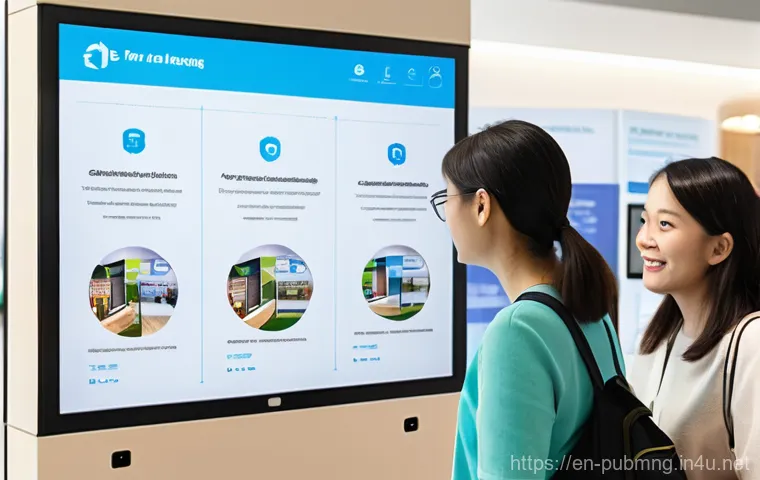
Honestly, when I first started in public administration, “digital transformation” sounded like a fancy buzzword meant for the private sector. But boy, was I wrong! It’s not just about slapping new software onto old processes; it’s a fundamental shift in how we serve the public. We’re talking about rethinking everything from the ground up to make services more accessible, efficient, and, frankly, less of a headache for everyone involved. I’ve personally seen how agencies, especially post-pandemic, have been pushed to accelerate their digital journeys, often achieving changes at a speed no one thought possible before. This isn’t just a fleeting trend; it’s the backbone of modern public service delivery, enhancing efficiency and transparency across the board. It’s about leveraging technology like cloud infrastructure, which offers incredible scalability and flexibility, to meet ever-increasing citizen demands without compromising security.
Modernizing Infrastructure and Processes
One of the biggest hurdles, from what I’ve gathered, is often those trusty old legacy systems. They’ve served us well, but they can definitely become bottlenecks. Moving towards modern, cloud-based infrastructure and automating repetitive tasks with tools like Robotic Process Automation (RPA) and AI isn’t just about cutting costs; it’s about freeing up our valuable human talent for more complex, impactful work. I once worked on a project where we automated a tedious permit application process, and the relief on the team’s faces, not to mention the improved turnaround time for citizens, was truly something to behold. It makes such a difference when you can focus on problem-solving rather than manual data entry. Plus, robust cybersecurity measures are absolutely non-negotiable in this new landscape. Protecting sensitive public data is paramount, and it requires continuous vigilance, strong protocols, and regular training.
Cultivating a Digitally Skilled Workforce
Digital transformation isn’t solely about technology; it’s deeply rooted in our people. Building a more digitally skilled staff is crucial. This means investing in continuous learning and development programs that empower employees not just to use new tools, but to understand their strategic implications and adapt to evolving demands. From my perspective, it’s about fostering a culture where everyone, regardless of their role, feels comfortable exploring and embracing new digital solutions. We also need to get better at attracting new talent with these skills, especially as many experienced professionals move on. Prioritizing learning, strengthening leadership skills in a digital context, and fostering a supportive work environment are all pieces of this puzzle, ensuring our teams can effectively navigate technological shifts and deliver high-quality services remotely when needed.
Mastering the Art of Citizen-Centric Service Delivery
Have you ever tried to navigate a government website and felt like you needed a PhD in bureaucracy just to find what you were looking for? I certainly have! That’s why mastering citizen-centric service delivery isn’t just a ‘nice-to-have’ anymore; it’s absolutely essential. Citizens today expect public services to be as seamless and intuitive as their private sector experiences. From my viewpoint, this means truly putting the citizen at the heart of every decision, from initial design to ongoing service delivery. It’s about listening to feedback, understanding pain points, and making services accessible and inclusive for everyone. We’re seeing a global push to reorganize services around “life events” – think having a child, retiring, or surviving a natural disaster – rather than forcing citizens to jump through multiple agency hoops.
Designing Services Around Life Events
This “life event” approach is a game-changer. Instead of siloed departmental services, imagine a unified platform where you can access everything related to, say, starting a new business, all in one go. It reduces friction and saves countless hours. I recall advocating for something similar in a local government project, and while challenging to integrate across departments, the positive impact on citizen satisfaction was undeniable. It’s about seamless integration, leveraging shared APIs and data formats so different government computers can ‘talk’ to each other, making the citizen’s journey effortless. It demands that agencies cooperate, share information, and always prioritize the citizen’s convenience over internal agency structures.
Leveraging Feedback and Engagement
To truly be citizen-centric, we need robust mechanisms for feedback and engagement. This means actively seeking input through surveys, online forums, and community meetings, and, crucially, actually acting on that feedback. It’s not about making assumptions; it’s about real-time insights into what citizens truly need and how they experience services. I’ve found that even simple user interviews can uncover major pain points that we, as administrators, might never have anticipated. Prioritizing user trust through secure data protections is also vital, ensuring citizens feel confident sharing their information on central, secure platforms. This proactive approach not only improves service quality but also builds public trust and fosters greater civic engagement.
Navigating Budget Constraints and Resource Scarcity
Let’s be real: public administration often feels like trying to do more with less, especially when budgets are tight. It’s a constant balancing act between fiscal responsibility and delivering essential services. I’ve spent many late nights poring over spreadsheets, trying to stretch every dollar as far as it can go, and it’s a unique challenge compared to the private sector. Unlike businesses focused on profit, we’re accountable for taxpayer funds, ensuring they’re allocated efficiently and transparently, all while meeting strict compliance regulations. It requires making realistic choices about priorities and constantly looking for innovative ways to optimize limited resources, especially when facing unexpected economic shifts or societal changes.
Strategic Budgeting and Resource Allocation
Effective budgeting in the public sector isn’t just about cutting costs; it’s about strategic allocation that aligns with service priorities and community needs. This means linking budgets directly to outcomes, setting clear Key Performance Indicators (KPIs), and regularly reviewing actual expenses against the budget. I’ve seen firsthand how a well-structured budget can be a powerful tool for management, helping to guide funding to critical programs and projects that deliver the most public benefit. Modern budgeting solutions, especially cloud-based platforms, are a godsend here. They automate workflows, provide real-time analytics, and integrate data across departments, which drastically improves efficiency and helps prevent those dreaded spreadsheet errors.
Enhancing Transparency and Accountability
Transparency is absolutely crucial for maintaining public trust. Citizens want to know how their money is being spent, and rightfully so. Providing easy access to comprehensive and understandable budget information, perhaps through user-friendly online platforms or digital budget books, fosters a culture of accountability. I believe that when the public can clearly see how funds are allocated, it not only builds confidence but also encourages scrutiny that can lead to more efficient and effective spending. This also includes adhering to strict financial regulations like GAAP (Generally Accepted Accounting Principles) or GASB (Governmental Accounting Standards Board) guidelines, ensuring consistency and accuracy in financial reporting.
The Power of Data-Driven Decision Making
In today’s fast-paced world, relying solely on intuition or tradition just won’t cut it anymore. I’ve learned that truly impactful public service hinges on harnessing the power of data. Data-driven decision-making isn’t about getting bogged down in numbers; it’s about transforming raw data into actionable insights that help us make smarter, more effective choices. It allows us to move from reactive responses to proactive strategies, identifying trends, anticipating issues before they escalate, and ensuring our policies are truly evidence-based. From my experience, it’s about bringing clarity and confidence to decisions that can genuinely improve lives in our communities.
From Assumptions to Evidence-Based Policies
The beauty of data-driven decision making (DDDM) is its ability to ground policies in facts and objective analysis. Instead of making educated guesses, we can use data to track social trends, economic conditions, and public health indicators, designing programs that truly address the real needs of our citizens. This approach has helped my team, and many others I’ve observed, allocate resources more effectively, targeting areas of high need and maximizing public benefits. For instance, using real-time data to optimize emergency response times or analyzing demographic data to tailor community outreach campaigns can make a tangible difference in service delivery and citizen engagement.
Ensuring Data Quality, Governance, and Transparency
Of course, the effectiveness of DDDM depends entirely on the quality and accessibility of our data. As someone who has grappled with inconsistent datasets, I can tell you that robust data collection methods are absolutely essential. It’s not just about collecting *more* data, but ensuring we have *accurate, reliable, and representative* data. This also involves strong data governance frameworks, which dictate how data is collected, stored, used, and shared, all while prioritizing privacy and security. When we share data and analysis with the public, it increases transparency, allowing citizens to understand the rationale behind decisions and fostering greater trust in governmental actions. Here’s a quick look at how data drives different areas:
| Area of Public Service | Traditional Approach | Data-Driven Approach |
|---|---|---|
| Emergency Response | Reactive, based on historical patterns | Predictive analytics, real-time resource allocation |
| Policy Formulation | Intuition, stakeholder input | Evidence-based, informed by social/economic indicators |
| Citizen Engagement | Broad communication, general surveys | Tailored outreach based on demographic and engagement data |
| Resource Allocation | Departmental requests, historical budgets | Optimized by identifying high-need areas, measuring program impact |
Building Resilient and Adaptable Teams

If there’s one thing I’ve learned, especially through unexpected challenges like global health crises or rapid technological shifts, it’s that our public sector teams need to be incredibly resilient and adaptable. We’re operating in a world where change is the only constant, and the ability to pivot, learn, and overcome setbacks is absolutely invaluable. It’s not about being impervious to stress or difficulty, but about having the collective strength to bounce back stronger. I’ve seen teams transform under pressure, becoming more innovative and cohesive, simply because they cultivated an environment that supports resilience. Building this kind of team doesn’t happen by accident; it requires intentional effort in leadership, communication, and continuous support.
Fostering Strong Leadership and Vision
Resilient teams start with resilient leaders. Leaders with high emotional intelligence who can understand and manage not only their own emotions but also those of their team members are vital. They provide a clear, compelling vision that gives direction and inspiration, helping teams navigate uncertainty and embrace change as an opportunity for growth. I’ve found that leaders who model calm, acknowledge challenges openly, and focus on achievable progress create psychologically safe environments where employees feel empowered. Strengthening leadership skills through emotional intelligence training and continuous adaptation is key. It’s about leading by example, showing that challenges are stepping stones, not roadblocks.
Promoting Continuous Learning and a Supportive Culture
A culture of continuous learning and development is absolutely essential for building adaptability. When employees are encouraged to learn new skills and perspectives, challenges become opportunities, and they’re better prepared to handle adversity. This isn’t just about formal training; it’s about encouraging curiosity and providing resources like team-building exercises, flexible work schedules, and mental health support to reduce stress. I truly believe a supportive workplace culture, one that values collaboration, open communication, and respect, is the bedrock of resilience. When team members feel a sense of belonging and know they can rely on one another, they’re much better equipped to weather any storm and emerge stronger.
Effective Communication: Bridging the Gap Between Policy and Public
Communication in the public sector is a unique beast. It’s not just about getting information out; it’s about building trust, ensuring understanding, and driving action among a diverse group of citizens and stakeholders. I’ve often felt the challenge of translating complex policy jargon into clear, relatable messages that resonate with real people. Effective communication isn’t just a soft skill; it’s a strategic necessity, especially when dealing with public health crises, new regulations, or significant community projects. Poor communication can lead to confusion, distrust, and a breakdown in public engagement, which none of us want.
Multi-Channel and Human-Centered Messaging
In today’s digital age, we have an array of channels at our fingertips, from traditional media to social platforms, websites, and email newsletters. The trick is to use an integrated approach, ensuring consistency across all channels to maximize impact. What I’ve found most effective, though, is maintaining a human-centered approach. Even with AI tools streamlining content creation, authenticity and trust require a human touch. Think about local emergency teams sharing unpolished, honest videos during a crisis – that kind of raw, genuine communication cuts through the noise and builds immediate trust. It’s about crafting messages for increasingly short attention spans while maintaining that crucial human connection.
Fostering Two-Way Dialogue and Engagement
Communication should never be a one-way street. To truly serve the public, we need to foster two-way dialogue, creating opportunities for citizens to provide feedback, ask questions, and participate in decision-making. Online forums, interactive meetings, and easy-to-use feedback mechanisms are incredibly valuable. I’ve seen how encouraging citizen participation, whether through advisory committees or public consultations, can lead to better, more responsive policies that truly reflect community needs. It’s about creating an environment where people feel heard and valued, which not only improves outcomes but also strengthens the democratic process and public confidence in government actions.
Ethical Leadership and Accountability in the Public Sphere
At the very heart of public administration lies a profound responsibility: to serve the public good with integrity and without bias. I deeply believe that ethical leadership isn’t just about avoiding wrongdoing; it’s about actively cultivating a culture of transparency, fairness, and accountability within our organizations. It’s the bedrock upon which public trust is built, and without it, the legitimacy of our institutions can quickly erode. When I reflect on the leaders who’ve truly inspired me, they’ve always been those who consistently demonstrate honesty, prioritize the public interest over personal gain, and foster an environment where ethical conduct is the norm, not the exception.
Upholding Integrity and Transparency
Integrity is, without a doubt, the core of ethical behavior in public service. It means being truthful and transparent in all actions, consistently avoiding conflicts of interest, and making decisions that are free from improper influences. I recall a situation where a tough decision had to be made, and the leader’s unwavering commitment to transparency – openly discussing the rationale and potential impacts – not only garnered respect but also helped everyone understand the “why.” Transparency involves openness in decision-making processes, allowing citizens to understand how and why certain choices are made. It’s about demystifying government, ensuring that our actions are accessible and scrutable by all stakeholders, which is a powerful deterrent against corruption and a promoter of fairness.
Establishing Robust Accountability Mechanisms
Ethical leadership goes hand-in-hand with robust accountability. Public servants must be answerable to the public, holding themselves to high standards of performance and ethical behavior. This means establishing clear mechanisms like internal audits, compliance checks, and independent reviews to uphold those standards. From my perspective, it’s also about fostering an environment where employees feel empowered to speak up about misconduct without fear of retaliation, reinforcing a culture of integrity from top to bottom. These measures ensure that public resources are used responsibly, policies deliver their intended benefits without undue influence, and ultimately, public confidence in our institutions is maintained and strengthened.
Closing Thoughts
Whew! What a journey we’ve taken through the complex, yet incredibly rewarding, world of public administration. It’s truly been a privilege to share my thoughts and experiences on how we can all contribute to making government more effective, transparent, and citizen-focused. I’ve personally navigated many of these challenges, from the frustrating maze of legacy systems to the delicate art of crafting policies that genuinely serve our communities, and I can tell you, it’s a field brimming with passionate individuals who are constantly striving for better. What stands out to me the most is that while the tools and technologies evolve at lightning speed, the core mission remains the same: to uplift and support the people we serve. It’s about building trust, fostering real connections, and ensuring that every decision, every digital innovation, and every communication effort ultimately leads to a better quality of life for everyone. I genuinely hope my insights offer a fresh perspective and perhaps even inspire a new approach in your own work or understanding of public service. It’s an exciting time to be involved, and I’m always learning right alongside you!
Handy Info You Should Know
1. Embrace Lifelong Learning: The landscape of public service is constantly shifting, driven by new technologies and evolving citizen expectations. I’ve found that staying curious and investing in continuous learning — whether it’s a short course on data analytics or a workshop on emotional intelligence — is absolutely critical. It keeps your skills sharp and your perspective fresh, which is invaluable in a fast-paced environment. It’s not just about formal training; sometimes it’s simply following thought leaders on LinkedIn or participating in online forums that keeps you ahead of the curve.
2. Network, Network, Network: I can’t stress this enough. Connecting with peers across different agencies or even different sectors can open up incredible opportunities for collaboration and problem-solving. Some of my most valuable insights have come from casual conversations with colleagues who faced similar challenges. These connections often lead to shared best practices, innovative ideas, and a strong support system, which is especially important when you’re tackling complex public issues. Don’t be shy about reaching out; most people are genuinely happy to share their experiences.
3. Prioritize Citizen Feedback: Always, always, always put the citizen at the heart of your work. From what I’ve seen, the most successful initiatives are those that actively solicit and integrate public feedback from the very beginning. Whether it’s through simple surveys, public forums, or even informal conversations, listening to the people you serve provides invaluable insights that no amount of internal planning can replicate. This direct input ensures that policies and services are truly responsive to community needs and fosters a sense of ownership and trust.
4. Data is Your Friend, Not Your Foe: Moving from intuition-based decisions to data-driven strategies can feel daunting, but it’s a game-changer. I’ve learned that even small steps, like regularly reviewing performance metrics or leveraging basic analytics, can reveal patterns and insights that dramatically improve service delivery and resource allocation. It helps you justify decisions, demonstrate impact, and continuously refine your approach, ultimately leading to more effective and equitable outcomes. Start small, focus on key indicators, and let the data guide your path.
5. Foster a Culture of Adaptability: Change is the only constant, and that’s particularly true in public administration. I’ve personally seen how teams that are encouraged to be flexible, experiment, and learn from mistakes are far more resilient and innovative. This means creating a psychologically safe environment where new ideas are welcomed, and failure is viewed as a learning opportunity, not a cause for blame. Empowering your team to embrace new technologies and adapt to unforeseen challenges is the surest way to build a public service that can truly stand the test of time.
Key Takeaways
Reflecting on our discussions, it’s clear that the path forward for public administration is paved with innovation, empathy, and unwavering commitment to the public good. We’ve talked a lot about the importance of embracing digital transformation, but remember, that’s never just about the tech; it’s about fundamentally changing how we serve people, making services smoother and more accessible. I’ve personally championed the idea of putting citizens at the very center of everything we do, designing services around their real-life events, not bureaucratic structures. And let’s be honest, navigating budget constraints is always tough, but strategic resource allocation and transparent financial practices are non-negotiable for building public trust. The power of data to transform assumptions into evidence-based policies is immense, and I truly believe that resilient, adaptable teams, led by ethical leaders, are the backbone of any successful public service. Finally, effective, human-centered communication is what truly bridges the gap between policy and the public. These elements aren’t just buzzwords; they’re the practical pillars I’ve seen in action, making a genuine difference in communities every single day.
Frequently Asked Questions (FAQ) 📖
Q: With all the buzz around digital transformation and
A: I, how can public servants like us actually keep up with these rapid changes and make sure we’re not left behind?
A1: This is a fantastic question, and one I hear a lot!
It’s easy to feel a bit overwhelmed when new tech trends pop up daily. From what I’ve seen, the key isn’t necessarily becoming a coding wizard overnight, but rather embracing a mindset of continuous learning and strategic adaptation.
Think of it this way: instead of trying to master every new piece of software, focus on understanding the principles behind digital tools and how they can enhance public service.
For instance, I’ve personally found that even a basic grasp of data analytics can transform how you approach policy decisions, allowing for more evidence-based outcomes.
It’s about being curious, asking how new technologies can solve real-world problems in your department, and not being afraid to experiment on a smaller scale.
Many public organizations are now offering workshops and online courses in digital literacy, so leaning into those opportunities is a huge step. Remember, the goal isn’t just to use technology, but to use it to deliver more effective, transparent, and citizen-centric services.
It’s a journey, not a sprint, and every step you take to understand and leverage these tools makes a tangible difference.
Q: It often feels like public administration is constantly balancing tight budgets with increasing demands. How do we genuinely strike that balance between efficiency and still truly serving the public effectively?
A: Oh, the age-old dilemma of doing more with less! This is a challenge I’ve witnessed firsthand across various sectors, and honestly, it’s a tightrope walk.
But here’s what I’ve learned makes a real difference: it’s about shifting our perspective from just cutting costs to optimizing value. True efficiency isn’t about doing things cheaply; it’s about doing the right things in the best way to achieve the most impact for citizens.
One incredibly effective strategy is genuinely listening to the public. Citizen engagement isn’t just a buzzword; it’s a goldmine of insights. When you involve the community in identifying priorities and co-creating solutions, you not only build trust but also ensure resources are allocated to services that truly matter.
I’ve seen departments dramatically improve service delivery by simply opening channels for feedback and using that input to streamline processes. Another powerful tool is leveraging data – not just for reporting, but for predictive analysis.
Understanding where demand is likely to surge allows you to allocate resources proactively, avoiding costly reactive measures. It’s about being smart, being proactive, and always keeping the human element at the heart of every decision, even when the budget is tighter than a drum.
Q: Beyond just learning new skills, what’s one practical piece of advice you’d give to someone in public service right now who wants to make a real difference and not just shuffle papers?
A: If there’s one piece of advice I could shout from the rooftops, it would be this: Become a proactive problem-solver and a relentless collaborator. It’s easy to get caught in the cycle of just executing tasks, but to truly make a difference, you need to look beyond your immediate responsibilities and identify areas for improvement, even small ones.
Think about that annoying bottleneck in your department, or a process that always causes headaches for citizens – then, instead of just grumbling about it, start thinking about potential solutions.
More importantly, don’t try to go it alone. Public service thrives on collaboration. I’ve personally seen incredible innovations emerge when different departments, or even public and private entities, came together to tackle a shared challenge.
Whether it’s reaching out to a colleague in another division who might have a unique perspective, or suggesting a cross-functional team for a project, breaking down silos is key.
It takes courage to speak up and initiate change, but your willingness to identify issues and rally others to find solutions is what transforms a paper-shuffler into a true change-maker.
Your impact might start small, but those ripple effects can genuinely redefine public service for the better.