Wow, has public administration ever been as fascinating and dynamic as it is right now? I’ve been diving deep into how governments worldwide are grappling with some truly massive shifts, and honestly, it feels like we’re at a crossroads where the decisions made today will echo for generations.
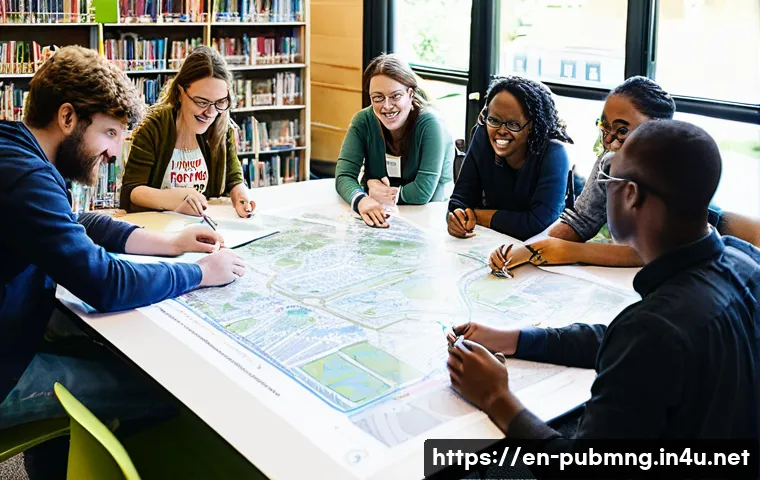
Gone are the days of stuffy, slow-moving bureaucracy; we’re witnessing a powerful evolution driven by incredible technological advancements and a growing demand for policies that genuinely serve people.
It’s a challenging landscape, for sure, with everything from artificial intelligence promising to revolutionize services to the urgent need for sustainable practices shaping our communities.
From what I’ve seen, the potential for public policy to truly transform our lives is immense, focusing on citizen engagement, transparency, and building a future that’s both resilient and equitable.
I personally believe that embracing innovation and fostering genuine collaboration are absolutely key to unlocking this potential, ensuring that our public managers aren’t just reacting, but proactively shaping a better tomorrow for everyone.
If you’re as intrigued as I am by the thought of smarter cities, more responsive services, and a truly future-proof approach to governance, you’re in for a treat.
Let’s delve into exactly what this means for public administration and its development potential!
Embracing the Digital Dawn: Governance in the 21st Century
It’s truly incredible to see how quickly technology is reshaping how our governments operate, isn’t it? Just a few years ago, the idea of seamlessly interacting with public services from your couch seemed like something out of a sci-fi movie.
Now, it’s becoming the norm, and honestly, I’m thrilled about the possibilities. I’ve been following this trend closely, and what strikes me most is how much it’s moving beyond just putting forms online.
We’re talking about sophisticated data analytics helping predict community needs, AI-powered chatbots making information more accessible, and blockchain potentially bringing unprecedented transparency to public records.
This isn’t just about efficiency; it’s about fundamentally changing the relationship between citizens and their government, fostering trust, and ensuring services are not just delivered, but truly experienced in a user-friendly way.
It’s a huge shift, and one that requires public administrators to be incredibly agile and forward-thinking. From my own observations, those who embrace these tools wholeheartedly are already seeing tremendous benefits, transforming bureaucratic hurdles into streamlined pathways for their communities.
The Rise of Smart Cities and Digital Services
The concept of “smart cities” isn’t just a buzzword; it’s a living, breathing reality in many places, and it’s genuinely exciting to witness. We’re seeing cities leveraging IoT devices to manage traffic flow in real-time, optimize waste collection, and even monitor air quality to create healthier living environments.
Imagine a city where your public transportation arrives precisely when you need it because algorithms have predicted demand, or where energy consumption is minimized across municipal buildings based on intelligent sensors.
I’ve personally been fascinated by how these digital services are not just improving urban living but also making public administration more responsive.
It’s about creating an interconnected ecosystem where data drives better decision-making, leading to more sustainable and citizen-friendly urban spaces.
This means public managers need to understand not just policy, but also data analytics and system integration, which is a whole new skillset we’re seeing emerge.
Leveraging AI and Data for Predictive Governance
When I first heard about governments using artificial intelligence, my immediate thought was, “Wow, the potential for personalized public services is immense!” And truly, it is.
We’re moving towards a future where public bodies can use vast datasets to anticipate problems before they escalate. Think about predicting localized health crises based on public health data, or identifying areas at high risk for infrastructure failure to proactively intervene.
It’s not about replacing human judgment, but empowering it with insights that would be impossible for any individual to uncover alone. I’ve seen some incredible examples of this, where AI helps allocate emergency resources more effectively during natural disasters, or streamlines benefit applications by identifying eligible citizens.
This requires a strong ethical framework, of course, to ensure privacy and fairness, but the power to move from reactive to proactive governance is a game-changer for public administration.
Putting People First: The Heart of Citizen-Centric Public Service
There’s a palpable shift in public administration towards genuinely putting the citizen at the absolute center of everything, and honestly, it’s about time!
I mean, for too long, it felt like public services were designed for the convenience of the bureaucracy rather than the people they were meant to serve.
But now, fueled by rising expectations and the instant gratification we’ve grown accustomed to in our private lives, governments are realizing that truly effective public service isn’t just about providing a service; it’s about delivering an experience.
I’ve personally found this shift incredibly refreshing. It’s not just about offering a suggestion box anymore; it’s about co-creation, engaging communities in policy design, and truly listening to what people need.
This new paradigm demands empathy, accessibility, and a relentless focus on improving the user journey, making every interaction with government as smooth and understandable as possible.
Designing Services for the User Experience (UX)
When I think about the evolution of public services, I often compare it to the world of tech startups. They live and breathe by user experience, and public administration is now catching on.
It’s no longer acceptable for government websites to be confusing mazes or for application processes to feel like an endless bureaucratic ordeal. Citizens expect intuitive interfaces, clear language, and efficient pathways, much like they experience with their favorite apps.
I’ve observed firsthand how agencies are now employing UX designers and conducting user testing, gathering feedback to iteratively improve how services are delivered online and in person.
This focus on the “how” of service delivery, not just the “what,” is revolutionary for public bodies. It’s about understanding pain points, streamlining processes, and ensuring that every touchpoint a citizen has with their government is designed with their ease and understanding in mind, truly a personal triumph when it works well.
Engaging Communities for Co-Creation and Trust
One of the most powerful developments I’ve witnessed is the move towards genuine community engagement, transforming citizens from passive recipients to active participants.
It’s not just about town halls anymore; it’s about inviting people to the policy-making table, using digital platforms for widespread consultation, and even empowering citizen juries to weigh in on complex issues.
I remember a particular project where a local council involved residents in redesigning a public park from the ground up, incorporating their ideas for accessibility, play areas, and green spaces.
The result was not just a better park, but a profound sense of ownership and trust within the community. This co-creation approach builds stronger, more resilient communities because people feel heard and valued.
It requires public managers to be skilled facilitators and communicators, bridging the gap between governmental processes and community aspirations, fostering a true sense of shared responsibility.
Ethical Frontiers: AI, Data, and Trust in Public Service
The advent of artificial intelligence and big data in public administration presents both incredible opportunities and profound ethical dilemmas, and it’s something I often find myself pondering deeply.
On one hand, the potential to optimize services, predict needs, and enhance efficiency is undeniable. On the other, the specter of bias in algorithms, privacy breaches, and the erosion of human oversight keeps me awake at night.
As public managers increasingly rely on these powerful tools, navigating the ethical landscape isn’t just good practice; it’s absolutely paramount to maintaining public trust.
I’ve personally seen the rapid pace at which these technologies are evolving, making it a constant challenge to keep policies and regulations up to date.
It’s a tightrope walk, ensuring we harness innovation for good while safeguarding fundamental rights and promoting equitable outcomes for all citizens.
| Digital Tool | Public Service Application | Primary Ethical Concern |
|---|---|---|
| Artificial Intelligence (AI) | Predictive policing, resource allocation, personalized services | Algorithmic bias, lack of transparency (black box decisions), accountability |
| Big Data Analytics | Identifying public health trends, urban planning, fraud detection | Data privacy, surveillance, potential for misinterpretation of data |
| Internet of Things (IoT) | Smart city management (traffic, waste, energy), environmental monitoring | Data security, constant surveillance, data ownership and usage rights |
| Blockchain | Secure record-keeping (land titles, voting), supply chain transparency | Energy consumption, scalability, regulatory challenges, immutability of errors |
Navigating Algorithmic Bias and Fairness
It’s a topic that truly resonates with me: how do we ensure fairness when algorithms are making decisions that impact people’s lives? From credit scoring to criminal justice predictions, AI systems learn from existing data, which, unfortunately, often contains historical biases.
If unchecked, these biases can be perpetuated or even amplified, leading to discriminatory outcomes. I’ve been fascinated by the ongoing efforts to develop “explainable AI” (XAI) and to implement ethical guidelines for its use in public sectors.
It’s not enough to simply deploy a powerful tool; public administrators must understand its limitations, actively work to mitigate bias, and ensure transparency in how these systems arrive at their conclusions.
This requires a critical mindset, asking tough questions about data sources, model design, and the potential for unintended consequences, making sure that technology serves humanity, not the other way around.
Data Privacy, Security, and Public Trust
In our increasingly data-driven world, the responsibility of public administrators to protect sensitive citizen information has become more critical than ever.
Every time I hear about a data breach, my heart sinks, knowing the potential impact on individuals and the erosion of trust in public institutions. It’s not just about compliance with regulations like GDPR or CCPA; it’s about fostering a culture of rigorous data security and respecting the fundamental right to privacy.
Public managers need to implement robust cybersecurity measures, conduct regular audits, and educate their teams on best practices for handling personal data.
I’ve learned that trust, once lost, is incredibly difficult to regain. Therefore, proactive and transparent communication about data handling practices, coupled with an unwavering commitment to safeguarding information, is essential for maintaining the public’s confidence in government in the digital age.
Building a Greener Tomorrow: Sustainable Public Policy
Climate change and environmental degradation are no longer distant threats; they are here, now, impacting our communities in profound ways. From my vantage point, public administration has an absolutely crucial role to play in tackling these monumental challenges, moving us towards a more sustainable future.
It’s not just about national policies; it’s about how local governments manage resources, plan urban development, and incentivize eco-friendly practices.
I’ve observed a growing urgency and a genuine commitment among many public servants to integrate sustainability into every facet of governance, recognizing that environmental health is intrinsically linked to public health and economic well-being.
This shift requires innovative thinking, cross-sector collaboration, and a long-term vision that extends far beyond immediate electoral cycles. It’s a responsibility I feel deeply, and one that I see public managers increasingly embracing with passion and dedication.
Circular Economy Principles in Public Procurement
When I first heard about the “circular economy,” it struck me as such a sensible, almost obvious, approach to resource management, especially for public entities.
Instead of our traditional linear “take-make-dispose” model, a circular approach focuses on reducing waste, reusing materials, and regenerating natural systems.
I’ve personally seen how public procurement, with its enormous purchasing power, can be a powerful lever for this change. Imagine local councils opting for durable, repairable goods, or investing in services that minimize environmental impact throughout their lifecycle.
It means public managers need to think beyond the initial cost, considering the full environmental footprint of their purchases. This requires new skills in lifecycle assessment and supply chain management, but the long-term benefits – from reduced waste to stimulated green industries – are simply undeniable for our communities.
Urban Planning for Climate Resilience
Living in an era of unpredictable weather patterns and rising sea levels, I’ve seen firsthand how vital resilient urban planning has become. It’s not enough to just build; we have to build smarter, adapting our infrastructure and communities to withstand future climate impacts.
This means public administrators are increasingly focused on green infrastructure solutions like permeable pavements, urban forests to mitigate heat islands, and natural flood defenses.
I’ve been particularly impressed by cities that are actively engaging their residents in vulnerability assessments and co-developing adaptation strategies, because local knowledge is invaluable.
This forward-thinking approach to planning requires collaboration across departments – from public works to emergency services – and a commitment to long-term investment.
It’s a complex puzzle, but one where public policy can truly make a tangible difference in protecting lives and livelihoods.
The Human Factor: Cultivating Leadership and Skills for Tomorrow’s Public Service
Amidst all the talk of technology and policy, it’s easy to forget the most critical ingredient in effective public administration: the people. From my perspective, the evolving landscape demands a new kind of public manager, one who is not just competent in traditional bureaucratic processes but also a visionary, a collaborator, and an empathetic leader.
The skills needed today are vastly different from those even a decade ago. It’s no longer enough to just manage; we need leaders who can inspire, innovate, and navigate complex societal challenges with agility and a deep understanding of human needs.
I’ve personally seen the immense positive impact a truly skilled public servant can have, acting as a bridge between policy and people, making abstract ideas tangible and effective.
Investing in the development of these human capabilities is, without a doubt, the most important investment we can make in the future of governance.
Developing Adaptable and Empathetic Leaders
The pace of change in our world is relentless, and this means public service leaders can’t afford to be stagnant. The ability to adapt, learn new skills, and embrace uncertainty is now non-negotiable.

I’ve often thought about how critical emotional intelligence has become, too. Empathy, the ability to truly understand and share the feelings of others, is no longer a soft skill but a core competency for public managers.
It’s essential for engaging diverse communities, resolving conflicts, and building cohesive teams that can tackle tough problems. I’ve seen programs focusing on leadership development that emphasize scenario planning, collaborative problem-solving, and cross-cultural communication, recognizing that the challenges of public service are rarely simple or confined to one discipline.
It’s about cultivating individuals who can lead with both their intellect and their heart.
Bridging the Skills Gap: Data Literacy and Digital Fluency
It’s no secret that the digital transformation sweeping through public administration has created a significant skills gap, and it’s something I often discuss with fellow enthusiasts.
While technical specialists are crucial, it’s equally important for all public managers to possess a foundational understanding of data literacy and digital fluency.
This doesn’t mean everyone needs to be a coder, but understanding how data is collected, analyzed, and used to inform policy is vital. Knowing the capabilities and limitations of digital tools, from cloud computing to cybersecurity basics, empowers leaders to make better strategic decisions and effectively oversee digital initiatives.
I’ve advocated for continuous learning programs and partnerships with educational institutions to ensure public servants have access to the training they need to thrive in this new environment.
It’s about building a workforce that isn’t just technologically aware, but truly fluent.
Funding the Future: Innovative Approaches to Public Finance
Let’s be honest, public services cost money, and how governments secure and allocate those funds is absolutely critical to their ability to deliver. In an era of increasing demands and often constrained budgets, traditional financing models are simply not cutting it anymore.
This is where innovation in public finance becomes incredibly exciting, and I’ve spent a good deal of time exploring how governments are getting creative.
It’s not just about raising taxes; it’s about leveraging private partnerships, exploring new revenue streams, and adopting more efficient, results-oriented budgeting practices.
The stakes are high, because effective financial management is the bedrock upon which all other public administration advancements stand. From my personal observations, those who are thinking outside the box in terms of funding are the ones truly able to drive significant, lasting change in their communities.
Public-Private Partnerships for Infrastructure and Services
I’ve always been fascinated by the power of collaboration, and nowhere is it more evident than in the realm of Public-Private Partnerships (PPPs). When governments and private entities join forces, they can often achieve outcomes that would be impossible for either party alone.
Think about large-scale infrastructure projects, like new transportation networks or renewable energy facilities, that benefit from private sector efficiency and innovation while still serving the public good.
I’ve seen successful PPPs deliver high-quality services more efficiently, share risks more effectively, and bring in expertise that might not exist within the public sector.
Of course, it’s not a silver bullet; careful planning, transparent contracting, and robust oversight are essential to ensure these partnerships truly serve the public interest and don’t just become vehicles for private profit.
When managed well, however, they are a powerful tool for financing progress.
Performance-Based Budgeting and Impact Investing
The days of simply allocating funds based on historical precedent are, thankfully, becoming a thing of the past. I’ve personally been a strong advocate for performance-based budgeting, where funding decisions are directly tied to measurable outcomes and the actual impact of programs.
It’s about asking, “What are we actually achieving with this money?” rather than just “How much did we spend?” This approach fosters greater accountability and incentivizes efficiency, ensuring taxpayer dollars are being used as effectively as possible.
Alongside this, I’m incredibly excited about the potential of impact investing in the public sector. This is where investments are made with the explicit intention of generating positive social or environmental impact alongside a financial return.
It’s a powerful way to bring in private capital for public good initiatives, from affordable housing to social enterprise, aligning financial goals with societal benefits in a truly innovative way.
Global Horizons: Learning and Collaborating Across Borders
It’s easy to get caught up in the challenges right in front of us, but from my extensive experience, there’s immense value in looking beyond our own borders.
Public administration isn’t a phenomenon unique to one nation; it’s a global endeavor, and the challenges we face – climate change, pandemics, economic instability – are often shared.
I’ve always found it incredibly enriching to see how different countries approach similar problems, learning from their successes and, yes, even their missteps.
This global perspective fosters a spirit of innovation and humility, recognizing that the best solutions might come from unexpected places. Engaging in international dialogue, sharing best practices, and collaborating on trans-national issues isn’t just about being good global citizens; it’s a pragmatic necessity for building more resilient, effective, and fair societies everywhere.
Benchmarking Best Practices from Around the World
One of the things I love most about being involved in this field is the opportunity to learn from others. There’s a whole world of innovation in public administration out there, and benchmarking is an invaluable tool for discovering what works.
I’ve often delved into case studies from cities in Scandinavia known for their sustainable urban planning, or from nations in Asia celebrated for their digital governance initiatives.
It’s not about blindly copying, of course, but about understanding the underlying principles and adapting them to local contexts. Public managers can gain incredible insights by analyzing how other countries have tackled issues like public health crises, infrastructure development, or citizen engagement.
This comparative approach saves time, reduces risk, and sparks new ideas, making our own public services stronger and more adaptable, which is a huge win for everyone involved.
International Cooperation on Shared Global Challenges
Some problems are simply too big for any one nation to solve alone, and this is where international cooperation in public administration truly shines.
Think about global health pandemics, cross-border environmental issues, or the regulation of emerging technologies like AI – these demand a harmonized, collaborative response.
I’ve been incredibly inspired by initiatives where governments, NGOs, and international bodies come together to share resources, develop common standards, and coordinate responses.
Whether it’s through multilateral organizations or bilateral agreements, these partnerships amplify impact and build collective resilience. Public managers who understand the nuances of international diplomacy and cross-cultural communication are increasingly vital in this interconnected world, working towards solutions that transcend national boundaries for the benefit of all humanity.
The Future of Public Administration: Agile, Inclusive, and Impactful
Looking ahead, the path for public administration is clear yet challenging: it needs to be agile, truly inclusive, and relentlessly focused on delivering tangible impact.
The days of rigid, top-down bureaucracies are fading, replaced by a demand for flexibility, responsiveness, and a deep understanding of diverse community needs.
From my perspective, this isn’t just a trend; it’s a fundamental paradigm shift that redefines what it means to serve the public. We’re moving towards governance that’s less about control and more about enablement, less about process and more about outcomes.
I’ve personally felt a huge sense of optimism witnessing public servants embrace this evolution, driven by a genuine desire to make a difference. It’s about building systems that are robust enough to withstand future shocks, yet flexible enough to adapt to ever-changing circumstances, ensuring that every policy and every service genuinely contributes to a better, fairer society for everyone.
Embracing Agility and Adaptive Governance Models
In today’s fast-paced world, traditional, slow-moving governmental processes can feel incredibly outmoded. This is why I’ve become such a strong proponent of agile methodologies in public administration.
Just like in the tech world, applying agile principles means breaking down complex projects into smaller, manageable increments, continually testing, learning, and adapting along the way.
It’s about being able to pivot quickly in response to new information or changing public needs, rather than being locked into rigid, multi-year plans.
I’ve seen firsthand how this can dramatically improve project delivery, reduce waste, and increase public satisfaction. It requires a significant cultural shift – from a fear of failure to an embrace of experimentation and continuous improvement – but the payoff in terms of responsive and effective governance is absolutely invaluable.
Ensuring Equity and Inclusivity in Public Policy
The call for equity and inclusivity in public policy is louder and more urgent than ever, and rightly so. It’s not enough to simply offer services; we must ensure they are accessible and beneficial to *all* members of society, especially those who have historically been marginalized or underserved.
From my experience, this means actively seeking out diverse voices in policy development, conducting equity impact assessments, and designing programs with a deliberate focus on reducing disparities.
I’ve seen compelling examples of public agencies going the extra mile to reach out to vulnerable populations, ensuring their needs are understood and addressed, not just as an afterthought but as a core principle.
This commitment to social justice is fundamental to building truly resilient and harmonious communities, and it’s a challenge that public administrators must tackle head-on with courage and compassion.
Wrapping Things Up
Whew, what a journey we’ve taken through the evolving landscape of public administration! It truly is an exhilarating time to witness governments transforming, isn’t it? From the cutting-edge tech making our cities smarter to the renewed focus on truly putting people first, I’m personally so optimistic about the future. It’s a complex, ever-changing world, and while the challenges are undeniable, the innovative spirit and dedication of public servants around the globe fill me with so much hope. Remember, we as citizens also play a vital role in shaping these advancements, so stay engaged and keep those conversations going!
Handy Insights You’ll Appreciate
Here are a few extra nuggets of wisdom I’ve picked up that might come in handy as you navigate this new era of public service:
1. Don’t shy away from digital government services. Many agencies are genuinely investing in user-friendly platforms, and you’ll often find that online portals are the quickest and most efficient way to access information or complete transactions. Give them a try – you might be pleasantly surprised by the improvements!
2. Always be mindful of your data privacy rights, especially when interacting with public services that utilize AI or large datasets. Take the time to understand privacy policies and leverage any tools available to manage your personal information. Your privacy matters, and knowing your rights is your first line of defense.
3. Look for opportunities to participate in local government initiatives. Many cities and counties are actively seeking citizen input for urban planning, community projects, and policy development. Getting involved, even in a small way, can make a real difference and help shape your community’s future.
4. Support and advocate for sustainable public policies in your area. From waste reduction programs to green infrastructure projects, these initiatives are crucial for building a healthier, more resilient future for everyone. A little push from informed citizens can go a long way in driving these essential changes.
5. Remember that behind every policy and every digital service, there are dedicated public servants. They are increasingly adapting to new technologies and leadership styles. A little understanding and constructive feedback can truly help them serve our communities even better.
Key Takeaways for a Better Tomorrow
At its core, the future of public administration is all about balance: leveraging groundbreaking technology like AI and big data while steadfastly upholding ethical principles and safeguarding privacy. It’s about moving towards governance that is agile, responsive, and relentlessly focused on the citizen experience, fostering genuine engagement and co-creation. Ultimately, it boils down to cultivating empathetic leadership, embracing sustainable practices, and collaborating globally to address our shared challenges, ensuring an inclusive and impactful public service for generations to come. This journey is ongoing, and it’s exciting to be a part of it!
Frequently Asked Questions (FAQ) 📖
Q: What are the most profound shifts challenging public administration globally right now, and how are governments really stepping up to meet these new demands?
A: Honestly, it feels like we’re watching public administration undergo a complete metamorphosis right before our eyes! From what I’ve personally observed, the biggest shift is this incredible move away from the traditional, often slow-moving bureaucracy we all grew up with, towards something far more agile, responsive, and frankly, exciting.
Governments are no longer just maintaining the status quo; they’re actively reimagining their roles. What’s driving this? Well, on one hand, you have the sheer force of technological advancements – think AI, big data, and smart city infrastructure – which is just opening up a world of possibilities for service delivery and policy design.
But equally powerful is the growing demand from citizens for more transparent, efficient, and genuinely people-centric policies. I’ve noticed a real push for governments to be more like nimble startups, embracing innovation and collaboration, and less like monolithic institutions.
It’s a huge undertaking, but the energy around adapting to these changes is palpable, with many public managers truly leaning into design thinking and citizen co-creation to build better systems.
Q: With all this talk about smart cities and
A: I, how can these new technologies genuinely transform public services without losing that crucial human touch or creating new inequalities? A2: That’s such a brilliant question, and one I grapple with all the time!
From my perspective, the real magic of new technologies, especially AI, isn’t just in automating tasks or making things faster – though those are certainly benefits.
It’s about leveraging these tools to make public services more personal, more proactive, and ultimately, more equitable. Imagine AI helping predict infrastructure needs before a problem arises, or tailoring information about public benefits to individual citizens in a truly accessible way.
I’ve seen firsthand how cities are using data analytics to optimize traffic flow, reduce energy consumption, and even improve emergency response times, making urban living smoother and safer.
But here’s the kicker: the “human touch” absolutely cannot be lost. In fact, it becomes even more important. We need ethical guidelines, robust oversight, and continuous dialogue to ensure AI serves everyone, not just a privileged few.
My strong belief is that technology should free up public servants to focus on the complex, empathetic, and human-centric aspects of their jobs, rather than replacing them.
It’s about designing systems where technology amplifies human compassion and efficiency, rather than eroding it.
Q: Beyond all the tech talk, what do you think is truly essential for building public policies that are not just effective today, but also genuinely resilient and equitable for future generations?
A: You’ve hit on the core of it right there – it’s not just about the gadgets and gizmos, is it? From my many discussions and observations, what truly underpins resilient and equitable public policy is a profound commitment to people and planet.
First off, genuine citizen engagement is non-negotiable. I’m talking about moving beyond just asking for feedback, to actively involving communities in the policy-making process from the ground up – true co-creation.
When people feel heard and have a stake in the decisions, policies become inherently stronger and more sustainable. Secondly, transparency and accountability are absolute bedrock principles.
Public trust is fragile, and we need governments that are open about their processes, their data, and their outcomes. Thirdly, we simply cannot ignore the urgent need for sustainable practices.
Every policy, from urban planning to public health, must now be viewed through the lens of long-term environmental and social impact. What I’ve really come to appreciate is that building a future-proof approach to governance means fostering a culture of continuous learning and adaptation within public institutions, investing in the next generation of public managers, and prioritizing ethical considerations in every single decision.
It’s about cultivating wisdom, not just accumulating information.